
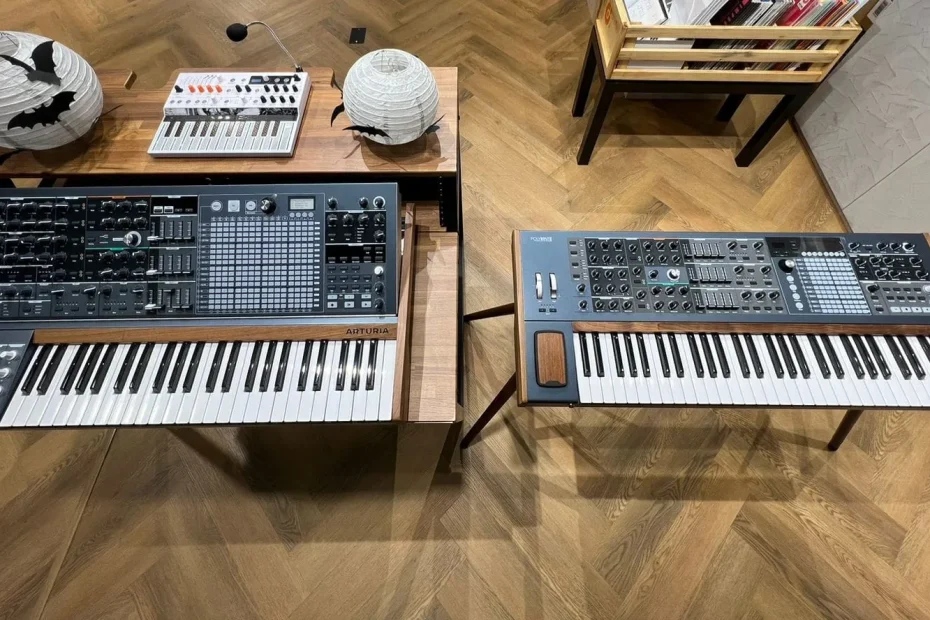
Overlooked, little known or sometimes even dismissed, many women have taken part in the great adventure of electronic music since the beginning of the twentieth century. As the works of British artists Delia Derbyshire and Daphne Oram, along with much of the early electronic music of the 1950s through the 1970s, are being rediscovered, here are the stories of several artists who were unjustly forgotten.
Electronic music has been fertile ground for experimentation and sonic innovation, opening up new artistic possibilities. Synthesizers, music studios and electronic compositions have revolutionized modern music.
This article highlights the pioneers of early electronic music, the electronic music artists who pushed the boundaries of musical creativity. From Clara Rockmore, a theremin virtuoso, to Bebe & Louis Barron, creators of the first electronic soundtrack for the film “Forbidden Planet,” and Ada Lovelace, a precursor of computer-assisted music, discover the fascinating stories of these innovators in modern music.
Read on to explore the rich and captivating history of electronic music and discover the extraordinary sounds that emerged thanks to these visionary pioneers.
Trailblazers: Ada Lovelace and Johanna Beyer
Ada Lovelace, born Augusta “Ada” King, Countess of Lovelace (1815–1852), is regarded as the author of the first computer program. Ahead of her time, she anticipated the emergence of computer-assisted music software. Her pioneering work paved the way for the use of computers in music creation.
Johanna Magdalena Beyer (1888–1944) was a German composer recognized as one of the pioneers of electronic music and synthetic music. Her 1938 composition “Music Of The Spheres” is considered an influential work in the history of electronic music. Beyer explored the sonic possibilities of synthesizers and helped shape modern music.
To illustrate this section, here is an image of a woman playing a synthesizer:
| Ada Lovelace | Johanna Beyer |
|---|---|
| Regarded as the author of the first computer program | One of the pioneers of electronic music and synthetic music |
| Anticipated the emergence of computer-assisted music software | Created innovative compositions using synthesizers |
Ada Lovelace and Johanna Beyer both made significant contributions to the development of electronic music and paved the way for many artists and composers who followed in their footsteps.
Becoming one with their machines
Clara Rockmore, a virtuoso performer on the theremin, helped introduce audiences to the otherworldly, dreamlike sounds of the first electronic instrument as early as the 1930s. Bebe & Louis Barron established the first independent American electronic studio in the 1950s and created an electronic soundtrack for the film “Forbidden Planet.”
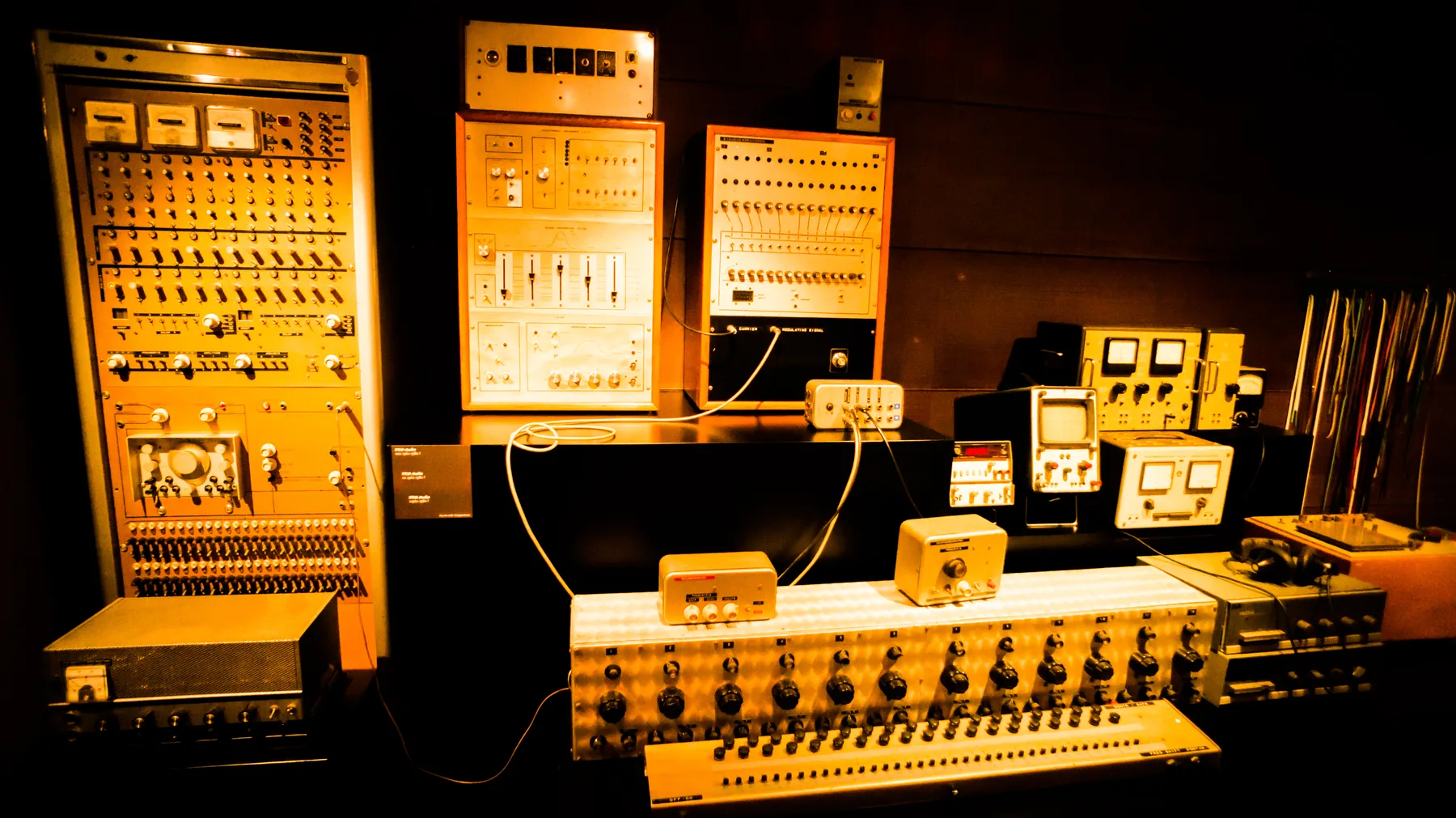
Clara Rockmore
Clara Rockmore is an essential figure in electronic music. Born in Lithuania in 1911, she is known for her extraordinary talent on the theremin. This fascinating electronic instrument, invented by Léon Theremin in the 1920s, produces sounds according to the position of the performer’s hands, without any physical contact.
I am completely in harmony with the theremin, as though I were becoming one with the music itself. Every note is an expression of my inner self.
Rockmore perfected her playing technique and adapted many classical compositions for the theremin. Her precision and exceptional musicality made the instrument a true means of artistic expression. She also worked closely with Léon Theremin to develop and improve its design.
Bebe & Louis Barron
Bebe & Louis Barron, a married couple, left their mark on the history of electronic music through their pioneering work. They founded the first independent American electronic studio in the 1950s and created a groundbreaking electronic soundtrack for the 1956 science-fiction film “Forbidden Planet.” Using homemade electronic circuits, they produced strange, futuristic sounds that brought the film’s alien world to life.
Their innovative approach to composition and music production opened the way for new sonic experiments and influenced many electronic music artists. Their use of early synthesizers and cutting-edge technologies laid the foundations for electronic music as we know it today.
Clara Rockmore and Bebe & Louis Barron are iconic figures in electronic music: they played a vital role in its development and recognition as an art form in its own right. Their innovative work and originality continue to inspire and fascinate electronic music enthusiasts around the world.
Stories in the data
In recent years, many efforts to address a historical imbalance have focused on women’s place in the history of electronic music and brought the work of important composers, musicians and technologists to light. Unfortunately, media narratives about women in electronic music are often reductive, limiting their contributions to those of a few exceptional artists and creating a myth of the “female pioneers” that fails to do justice to the diversity and richness of their achievements.
Online journalism and academic research have played a crucial role in reassessing the history of electronic music by highlighting long-neglected artists and challenging prevailing narratives. Thanks to the efforts of a new generation of researchers, we are seeing a thorough reassessment of this history, one that foregrounds the talented, visionary women who have left their mark on electronic music.
It is essential to critique the models imposed by the media and question the media narratives surrounding women in electronic music. Instead of reducing their contributions to those of a few exceptional “pioneers,” we must recognize the work and impact of all women in the field, whether composers, performers or technologists. Media criticism is a valuable tool for dismantling stereotypes and promoting a more balanced and fairer account of electronic music history.
Academic research continues to explore the history of electronic music and bring important figures and often overlooked achievements to light. These efforts are teaching us more about the women who have helped shape electronic music since its beginnings, as well as their influence on the development of new musical genres and forms of artistic expression.
The role of online journalism and academic research
Online journalism and academic research are essential ways to raise awareness of electronic music history and counter the biases and prejudices that have long dominated discussions of women in the field. Thanks to these efforts, more and more women are being recognized for their major contributions to electronic music, and their work continues to inspire future generations of artists and technologists.
| Academic research | Online journalism |
|---|---|
| In-depth exploration of electronic music history | Highlighting the achievements of women in electronic music |
| Reassessment of prevailing narratives and stereotypes | Challenging reductive media narratives |
| Recognition of the work and impact of all women in the field | Promotion of a more balanced and fairer account |
History of electronic music
Electronic music has its origins in the late nineteenth century, when electrical and electronic instruments were first created. Experimental music research developed in recording studios and musical institutions such as the BBC Radiophonic Workshop and the Columbia Princeton Electronic Music Center. Karlheinz Stockhausen is regarded as one of the first major composers of electronic music.
Born in Germany in 1928, Stockhausen was a pioneer in the use of new technologies and electronic instruments in musical composition. His experiments and avant-garde approach paved the way for many contemporary composers and musicians. His piece “Gesang der Jünglinge” (1955–1956) is often regarded as an important milestone in electroacoustic music.
Technological advances in electronic music have pushed the boundaries of sound and opened up new artistic possibilities. Electronic instruments such as synthesizers have revolutionized the way music is composed and performed.
Electronic music studios became sound laboratories where composers could experiment with new equipment and sound-production techniques. Among the best-known are EMS (Elektronmusikstudion) in Stockholm, GRM (Groupe de Recherches Musicales) in Paris and IRCAM (Institut de Recherche et Coordination Acoustique/Musique) in Paris.
“Electronic music is music without limits, opening up new possibilities for artistic expression. Artists can explore the unknown and create unique soundscapes.” — Karlheinz Stockhausen
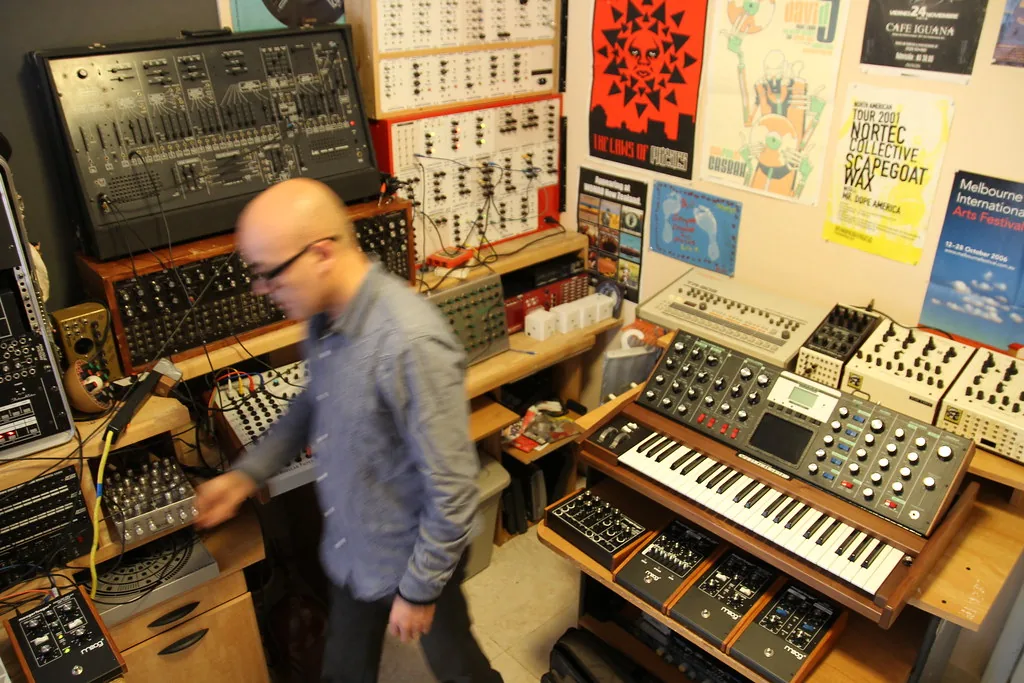
Electronic music has continued to evolve and diversify over time, giving rise to many genres and subgenres, including ambient, techno and house. Today, it is everywhere in modern music culture, and its popularity continues to grow.
Electronic instruments
Electronic instruments play an essential role in creating electronic music. Some of the most iconic are:
- The synthesizer: an instrument that can generate and modify electronic sounds in a flexible way.
- The theremin: an electronic instrument played without physical contact, using hand movements to control volume and pitch.
- Drum machines: electronic instruments used to create rhythms and loops.
- Samplers: instruments that capture sound excerpts for reuse in musical compositions.
Electroacoustic music
Electroacoustic music is a form of music that combines acoustic and electronic sounds. It uses sound-processing techniques to create complex, evocative soundscapes. Composers of electroacoustic music often explore new ways of interacting with sound, using gesture controllers or motion sensors.
Electronic music studios
Electronic music studios are spaces dedicated to creating and producing electronic music. They contain a range of electronic instruments, recording equipment and sound-processing software. Many composers and musicians use these studios to experiment and create unique works of sound art.
| Electronic instruments | Date of creation |
|---|---|
| Synthesizer | 1950 |
| Theremin | 1920 |
| Drum machine | 1970 |
| Sampler | 1980 |
Terminology
Electronic music is a musical genre that uses electronic instruments to create sound compositions. The term is often confused with “electro,” which is loosely used to describe popular electronic music. Distinguishing between these terms helps us understand the breadth and diversity of electronic music.
Electroacoustic music is a subgenre of electronic music that also incorporates acoustic sounds into its compositions. Electronic instruments such as synthesizers and sequencers play a central role in creating this type of music. Artists use their creativity and command of electronic technologies to explore new sonic dimensions.
Electronic music encompasses many genres and subgenres, each with distinct styles and sounds. Here are some of the most popular electronic music genres:
- Dance music: influenced by disco, it is designed to be played in clubs and at dance parties.
- House: originating in Chicago, it is known for its driving rhythms and prominent bass.
- Techno: emerging in Detroit, it is characterized by repetitive rhythms and futuristic sounds.
- Trance: this electronic music genre creates a hypnotic, meditative atmosphere.
- Dubstep: characterized by heavy bass and syncopated rhythms, this electronic music genre is influenced by reggae and garage.
Electronic music offers a wide variety of sounds and opportunities for experimentation, allowing artists to push the boundaries of creativity and musical expression. (Source: third source)
| Electronic music genres | Description |
|---|---|
| Dance music | Influenced by disco, dance music is designed to be played in clubs and at dance parties. |
| House | Originating in Chicago, house is known for its driving rhythms and prominent bass. |
| Techno | Emerging in Detroit, techno is characterized by repetitive rhythms and futuristic sounds. |
| Trance | Trance creates a hypnotic, meditative atmosphere. |
| Dubstep | Characterized by heavy bass and syncopated rhythms, dubstep is a genre influenced by reggae and garage. |
Conclusion
Discovering the pioneers of modern electronic music offers a chance to honor artists who were unjustly forgotten and recognize their significant contributions to the development of electronic music. Their pioneering work opened the way for many artists and helped shape the modern musical landscape.
The electronic music pioneers pushed the boundaries of creativity by using synthesizers and exploring studio music techniques, giving rise to an innovative, experimental musical genre. Their boldness and vision inspired generations of artists to push the boundaries of electronic music, creating a lasting legacy.
Synthesizers and studio music played an essential role in the development of electronic music, enabling artists to create unique sounds and move beyond the limits of traditional composition. Through their visionary work, the electronic music pioneers opened up new artistic possibilities and laid the foundations for a musical genre that continues to evolve.
FAQ
Who are the pioneers of modern electronic music?
The modern pioneers of electronic music include talented and innovative women who made significant contributions to its development. Among them are Ada Lovelace and Johanna Beyer.
What are the best-known electronic instruments in the history of electronic music?
Some of the best-known electronic instruments in the history of electronic music are the theremin, played by Clara Rockmore, and synthesizers, used by many electronic music artists.
Why are the pioneers of modern electronic music important?
The pioneers of modern electronic music played a crucial role in the genre’s development. Their pioneering work opened the way for many artists and helped shape the modern musical landscape.
What is electronic music?
Electronic music is a musical genre that uses electronic instruments to produce sounds and musical compositions. It offers great sonic diversity and includes various genres and subgenres.
What terms are associated with electronic music?
Electronic music is often associated with terms such as electroacoustic music, studio music and electro. The term “electro” is often used too loosely to refer to popular electronic music.
What is the history of electronic music?
Electronic music has its origins in the late nineteenth century, when electrical and electronic instruments were first created. Experimental music research developed in recording studios and musical institutions such as the BBC Radiophonic Workshop and the Columbia Princeton Electronic Music Center.