
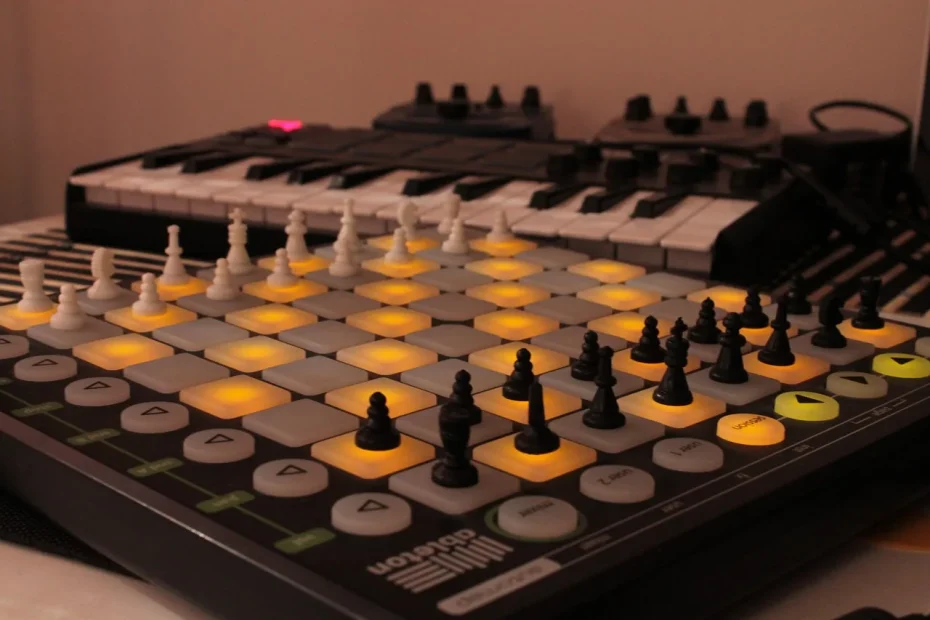
In the vibrant world of electronic music, rhythms, styles and artists are constantly evolving. From its modest beginnings in the 1970s with pioneers such as Kraftwerk and Giorgio Moroder to modern giants like Daft Punk, Skrillex and Deadmau5, electronic music has undergone a remarkable transformation.
In 2023, new trends, technical innovations and emerging talents continued to shape the electronic music scene. In this article, we explore the captivating and diverse world of electronic music in 2023, with a focus on the French scene, which continues to surprise, innovate and impress.
Electronic music pioneers: living legends
The history of electronic music stretches back to the 1970s and 1980s, a period marked by the emergence of new music technologies such as synthesizers and sequencers. Pioneers of the genre such as Kraftwerk and Giorgio Moroder used these new machines to create unique, groundbreaking sounds. Their innovative approach to electronic music profoundly influenced modern culture and laid the foundations for the genre’s future development.
In the 1970s, the German group Kraftwerk paved the way for electronic music by using synthesizers and drum machines to create minimalist, futuristic compositions. Its landmark album “Autobahn,” released in 1974, achieved international success and established the group as a pioneer of electronic music.
Giorgio Moroder, meanwhile, is often considered a pioneer of electronic disco. His groundbreaking productions, such as Donna Summer’s 1977 track “I Feel Love,” brought electronic elements into popular music and inspired many later artists.
“Electronic music is an endless means of expression. It is the music of the future.”
These electronic music pioneers created innovative sounds using electronic instruments and opened up new musical possibilities. Their influence can still be heard in today’s electronic music, as modern artists draw on their sonic explorations while adding their own artistic touch.
The pioneers’ legacy
The legacy of the electronic music pioneers is everywhere in modern culture. Their sonic experiments opened new horizons for contemporary artists and encouraged them to push the boundaries of electronic music.
Today, many artists continue to pay tribute to the pioneers by incorporating classic electronic elements into modern compositions. This creates a link between electronic music’s history and its contemporary form, allowing listeners to hear how the genre has evolved over time.
The electronic music pioneers shaped a cultural movement that crossed borders and continues to influence musicians around the world. Their contribution to the history of electronic music cannot be underestimated, and their legacy lives on in modern music culture.
Established artists: guardians of a musical tradition
Despite the rapid changes in electronic music, many artists have preserved the traditions and techniques that defined its golden age. Musicians such as Daft Punk and The Chemical Brothers have modernized the sound of electronic music while retaining the importance of disco and funk rhythms in their compositions. These artists have created music that honors the past while looking to the future, and their influence on modern electronic music is undeniable.
| Artist | Years active | Musical genre |
|---|---|---|
| Daft Punk | 1993–2021 | French house, electro funk |
| The Chemical Brothers | 1989 to present | Big beat, electronica |
“Electronic music is a perfect blend of innovation and tradition. It is fascinating to see how artists such as Daft Punk and The Chemical Brothers have taken elements of the past and woven them seamlessly into modern electronic music.” — A renowned music critic
These established electronic music artists have influenced many contemporary musicians and left their mark on generations of listeners with their distinctive, innovative sound. Their ability to blend timeless rhythms with modern electronic sounds has captivated a broad audience and contributed to electronic music’s lasting popularity worldwide.
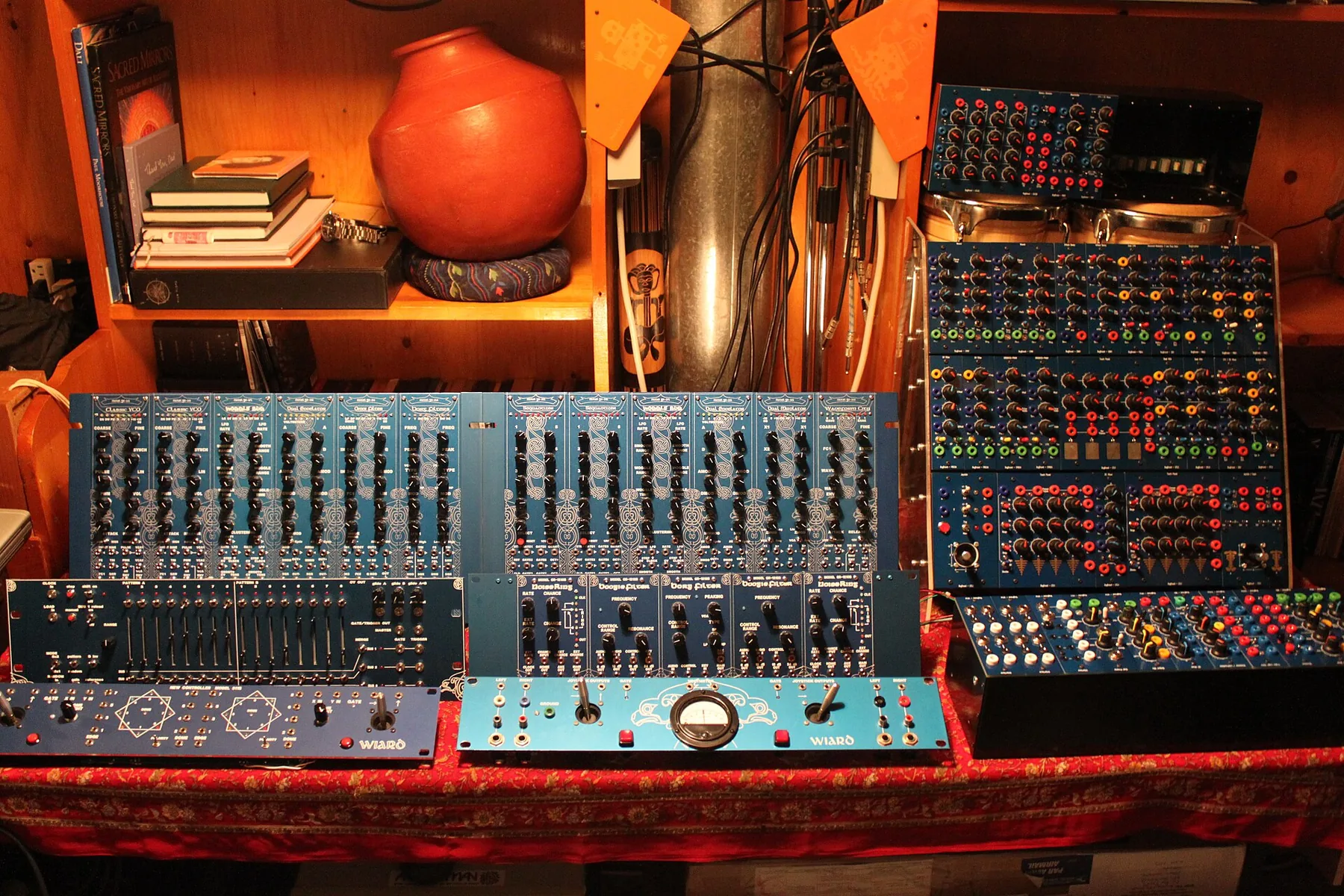
Whether revisiting classics from the past or creating original compositions, these established electronic music artists are guardians of a musical tradition that continues to fascinate and inspire music lovers around the world. Their influence on modern electronic music is clear, and their legacy will endure for years to come.
New forms of creativity: innovation and evolution
Electronic music is constantly evolving. Bold artists push the genre’s boundaries, explore new forms of creativity and experiment with innovative software and technology.
Artists such as Skrillex and Deadmau5 have helped popularize dubstep by introducing powerful sounds and intense bass that have captivated listeners worldwide. Their forward-looking approach and energetic performances have reshaped audience expectations of electronic music, opening up new artistic horizons.
Other artists, such as Aphex Twin and Autechre, have ventured into more experimental electronic territory. Their complex, disorienting compositions challenge convention, exploring new sonic textures and rhythmic structures. These bold explorations have helped electronic music evolve, expanding its creative possibilities and pushing the boundaries of sound art.
With the arrival of new technologies and software, these artists have an endless range of possibilities for creating distinctive sounds and extending the limits of musical experimentation. From granular synthesis to extreme vocal manipulation, experimental electronic music continually pushes the boundaries of sonic imagination.
“Experimental electronic music invites us to explore, discover unfamiliar sounds and question our perceptions of what we hear. It is an art form that stretches the limits of creativity and innovation, offering listeners an experience that is both captivating and disorienting.”
By embracing these new forms of creativity, electronic music continues to evolve and reinvent itself. Today’s artists are tomorrow’s pioneers: they push beyond what we thought possible in electronic music. Their innovation and daring move the music scene forward, offering listeners a singular sonic experience.
Experimental electronic music is both a tribute to the genre’s pioneers and a gateway to the future. It embodies electronic music’s constant evolution and reflects the spirit of exploration and creativity that drives this continually active artistic community.
The boundless creativity of experimental electronic music illustrates the genre’s ongoing evolution, opens new artistic paths and creates unique sonic experiences. These new forms of creativity broaden musical horizons and invite listeners to explore unfamiliar territory in electronic music.
Electronic music’s rising stars
New stars in electronic music emerge regularly, bringing a wealth of styles and subgenres with them. These emerging talents make use of the vast possibilities offered by modern music technology to create distinctive, innovative sounds.
Artists such as Marshmello, Kygo and Martin Garrix have risen rapidly in recent years, moving from relative obscurity to worldwide fame in a remarkably short time. Their skillful use of trap, EDM and pop has attracted audiences around the world.
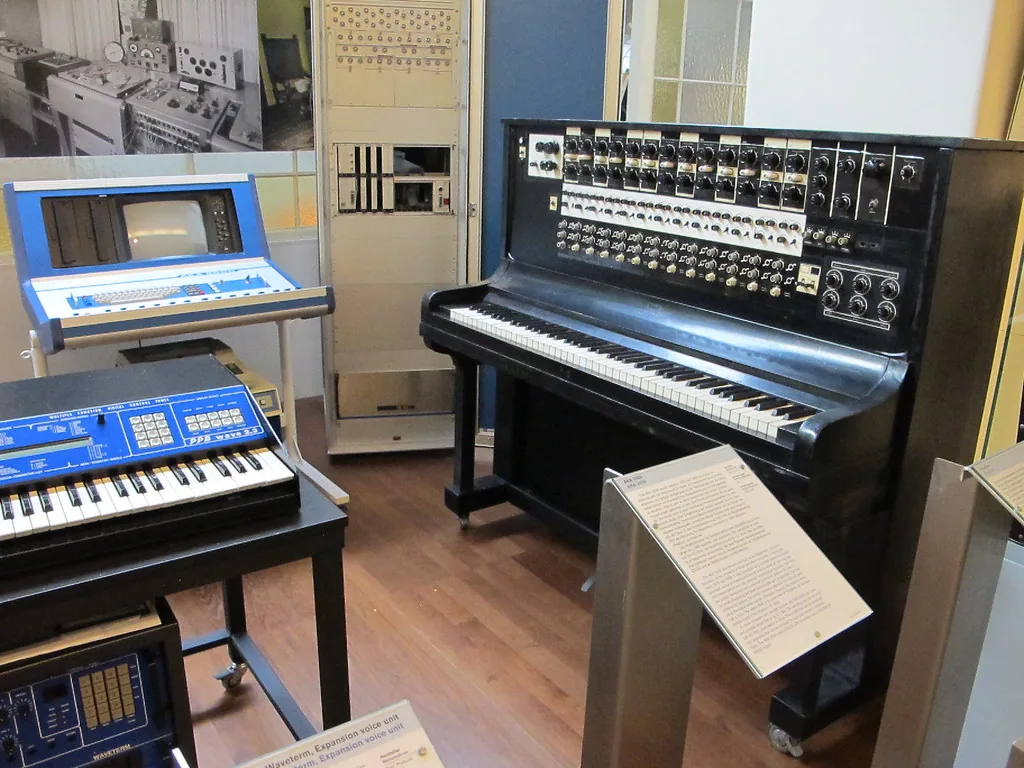
Electronic music is a vast, constantly evolving world, and these rising stars bring freshness and originality to the scene. Their compositions are both infectious and inventive, combining elements of different genres to create distinctive sounds. These artists explore electronic music’s frontiers and push the limits of what is possible within the genre.
These artists are central to current electronic music trends and will continue to influence the musical landscape in the years ahead. Their success reflects the public’s appetite for innovative, compelling sounds. At the forefront of electronic music’s evolution, they set trends and inspire a new generation of artists to push the boundaries of musical creativity.
Styles that move us: exploring the newcomers’ sounds
These new talents have brought with them a wealth of styles and subgenres that push the limits of what is possible in electronic music. Genres such as future bass, trap and tropical house have grown increasingly popular thanks to artists such as Flume, Kygo and RL Grime. These artists have fused different musical elements to create distinctive, captivating sounds that appeal to audiences worldwide.
| Musical subgenre | Notable artists |
|---|---|
| Future bass | Flume, Marshmello, San Holo |
| Trap | RL Grime, TroyBoi, NGHTMRE |
| Tropical house | Kygo, Thomas Jack, Lost Frequencies |
These newcomers have brought fresh energy and boundless creativity to modern electronic music. Future bass, with its atmospheric melodies and powerful bass, creates a distinctive mood that takes listeners into new sonic territory. Trap, with its punchy rhythms and hip-hop influences, generates a frenzied energy that electrifies crowds at concerts and festivals. Tropical house, with its sun-soaked sounds and infectious rhythms, invites listeners to relax and celebrate, carrying them to warm, faraway places.
By fusing these different styles and subgenres, the newcomers have distinguished themselves and captivated audiences with their popular electronic music. Both onstage and in their studio productions, these artists have created distinctive sounds that excite crowds and have become anthems of modern electronic culture.
Conclusion
The history of electronic music is a fascinating journey that began with the genre’s pioneers in the 1970s and continues today. From established artists to emerging talents, each generation contributes to electronic music’s evolution.
Current styles and trends reflect the electronic scene’s continual creativity and innovation. Artists such as Daft Punk, Skrillex and Martin Garrix have won over audiences worldwide with their distinctive, captivating sounds, while experiments by musicians such as Aphex Twin have pushed the genre’s boundaries. Electronic music has adapted to new technologies and changing tastes, and it continues to reinvent itself.
What does the future hold for electronic music? Only time will tell, but one thing is certain: this genre will continue to intrigue, inspire and captivate listeners around the world. Electronic music’s evolution is exciting to follow, and we can expect new trends, talents and sounds that will surprise and delight us.
FAQ
What is the history of electronic music?
Electronic music dates back to the 1970s and 1980s, when new music technologies such as synthesizers and sequencers emerged. Pioneers such as Kraftwerk and Giorgio Moroder used these new machines to create distinctive, groundbreaking sounds, laying the foundations for the genre’s future development.
Who are the pioneers of electronic music?
Pioneers such as Kraftwerk and Giorgio Moroder played an essential role in developing electronic music. Their innovative approach and use of new technologies paved the way for the genre’s evolution.
How do established artists influence electronic music?
Artists such as Daft Punk and The Chemical Brothers have modernized the sound of electronic music while preserving the importance of disco and funk rhythms. Their influence on modern electronic music is undeniable.
What are the new forms of creativity in electronic music?
Artists such as Skrillex and Deadmau5 have explored genres such as dubstep and pushed the boundaries of electronic music. Others, including Aphex Twin and Autechre, have experimented with bolder sounds, creating compositions that are disorienting yet captivating.
Who are electronic music’s rising stars?
New talents such as Marshmello, Kygo and Martin Garrix have risen rapidly in recent years. Their skillful use of genres such as trap, EDM and pop has attracted audiences around the world.
Which styles are popular in modern electronic music?
Genres such as future bass, trap and tropical house have grown increasingly popular thanks to artists such as Flume, Kygo and RL Grime. These artists have fused different musical elements to create distinctive, captivating sounds that appeal to audiences worldwide.
How has electronic music evolved up to the present day?
Electronic music’s evolution has been marked by constant innovation, exploration of new genres and use of new technologies. Current trends reflect the electronic scene’s continuing creativity.