
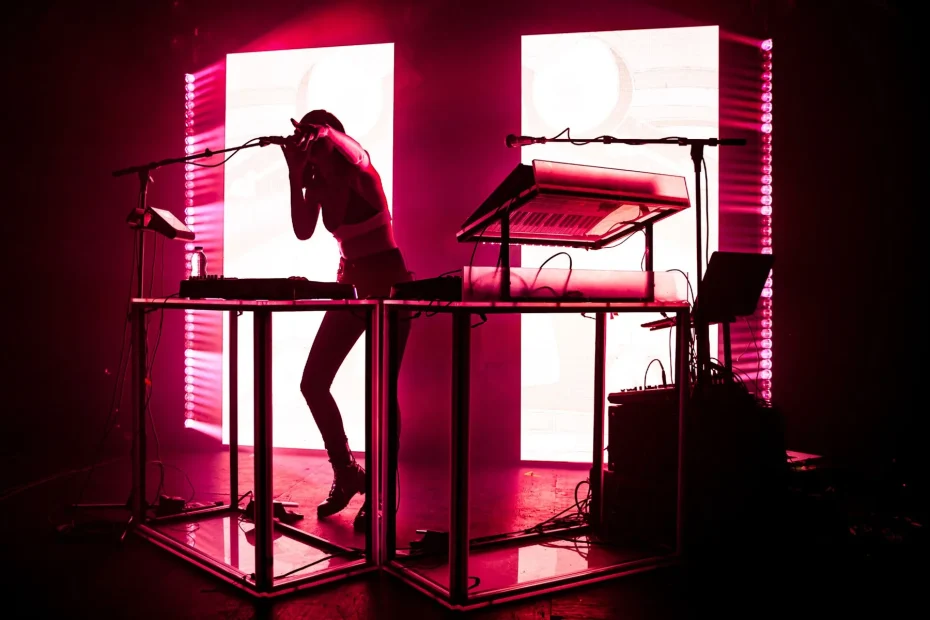
Electronic music has long attracted women through its liberating nature and its distance from male-dominated structures. Yet history has often overlooked their contributions. In recent years, a movement has emerged to reassess and document the role of pioneering women in electronic music. Figures such as Éliane Radigue, Ada Lovelace, Johanna Magdalena Beyer, Clara Rockmore and Jeanne Loriod helped pave the way and develop the genre. Technology and creativity lie at the heart of their influence on electronic music.
Women’s presence in the electronic music industry extends beyond DJing to include music production, composition and innovative female artistry. Their talent and distinctive perspectives have helped shape the DJ scene and push the artistic boundaries of electronic music. Despite the challenges they face, women continue to inspire others and challenge gender stereotypes.
In this article, we will explore the contributions of female artists to the DJ scene, the challenges they face in the electronic music industry, and the initiatives and movements promoting gender equality. By recognizing and celebrating their talent, we help create a more inclusive and balanced electronic music industry.
Challenges women face in the electronic music industry
Women in the electronic music industry face a range of challenges that hinder their careers and professional growth. Despite feminist progress and the fight for gender equality, persistent stereotypes and prejudice continue to limit their recognition and artistic credibility.
Female artists continually face underrepresentation and unequal opportunities in the industry. They often struggle to find platforms on which to share their music and reach wider audiences. This lack of visibility harms both their careers and the diversity and development of electronic music as a whole.
Even so, women have played a vital role in the DJ scene and the evolution of electronic music. Their artistic contribution is invaluable and has shaped the genre’s sound. They have brought distinctive perspectives, sensitivity informed by their experiences, and innovative creativity that have enriched the industry.
Promoting gender equality in the electronic music industry is essential. Giving women equal opportunities to express their talent and share their music helps build a more diverse, inclusive and dynamic scene. This requires effort from artists, industry professionals and audiences, who must support and celebrate women’s visibility.
“Electronic music is a space for expression where every voice should be heard and creativity has no gender.”
By celebrating the richness of women’s creativity and working together to overcome barriers, we help create a fairer, more inclusive electronic music industry in which women’s talent is fully recognized and appreciated.
| Challenges | Solutions |
|---|---|
| Gender stereotypes | Education and awareness to challenge stereotypes and promote diversity |
| Persistent prejudice | Encourage collaboration and mentorship for female artists |
| Underrepresentation | Create initiatives to increase the visibility and promotion of female artists |
| Unequal opportunities | Establish gender equality policies and assess talent fairly |
Female artists’ contributions to the DJ scene
Female artists have brought valuable artistic diversity to electronic music’s DJ scene. Their presence has opened up new sonic possibilities, encouraged experimentation with distinctive musical styles and pushed the boundaries of creativity. Their contributions have enriched the industry with innovative perspectives and distinctive sounds. As creators, they have stood out by offering original musical experiences and captivating audiences with their talent. They have also played a vital role in inspiring women around the world and encouraging them to pursue their passion for electronic music.
Female artists have made a major contribution to the electronic music DJ scene. Their talent, creativity and artistic sensibility make them key figures in the industry. They have helped the scene evolve by breaking down gender barriers and offering original musical experiences.
Their presence has made the DJ scene more diverse and vibrant. Women DJs and electronic music producers have been at the forefront of musical innovation, introducing new styles, fresh sounds and captivating listening experiences.
Female artists have paved the way for a new era of electronic music in which talent has no gender and creativity knows no bounds.
Their contribution is all the more remarkable because women have often faced challenges and prejudice in this industry. Despite these obstacles, they have established themselves and earned recognition for their skills and artistic work. Today, female artists such as Nina Kraviz, Amelie Lens, Charlotte de Witte and Peggy Gou have become icons of the DJ scene, inspiring many other women to enter electronic music.
Examples of influential female artists in electronic music:
| Artist | Music genre | Country of origin |
|---|---|---|
| Nina Kraviz | Techno | Russia |
| Amelie Lens | Techno | Belgium |
| Charlotte de Witte | Techno | Belgium |
| Peggy Gou | House | South Korea |
These artists have become leading figures in electronic music and play a vital role in promoting artistic diversity and women’s presence in the DJ scene. Their success has inspired many women to enter electronic music and pursue their dreams.
In conclusion, the contribution of female artists to electronic music’s DJ scene is undeniable. Their talent, creativity and determination have enriched the industry and inspired many women to follow their passion for music. Recognizing and supporting women’s talent in electronic music is essential to a dynamic, diverse DJ scene that represents every artistic voice.
Initiatives and movements promoting equality in the industry
Initiatives, including collectives and festivals that feature female artists, have emerged to promote gender equality in the electronic music industry. They provide inclusive spaces where women can perform and gain visibility. At the same time, training and education programs focused on gender equality support women’s empowerment in the industry. These movements seek to remove barriers and create a fair environment in which women’s talents can flourish and receive the recognition they deserve. By supporting these initiatives and movements, we can help build a more balanced, inclusive electronic music industry that reflects the diversity of women’s creativity.
Discrimination in Berlin’s electronic music industry
Berlin’s electronic music scene faces sexist structures and intolerant behavior toward female artists and people attending events. Women experience discrimination at every level, from workplace harassment to underrepresentation and unequal opportunities. Despite clubs’ efforts to promote inclusion and gender parity, gender inequality persists in Berlin nightlife. Recognizing these problems and working together to create a safer, more equal environment is important.

“At some events, you can still count the women on one hand. We need to change that and create a more balanced, inclusive scene for all artists.”
Workplace harassment and discrimination
Women in Berlin’s electronic music industry frequently encounter discrimination and harassment at work. Sexual assaults, inappropriate comments and misogynistic behavior have been reported in many clubs and festivals. Such behavior creates a hostile environment and can leave female artists feeling unsafe and afraid.
Underrepresentation and unequal opportunities
Women are often underrepresented on posters and in the lineups of electronic music events in Berlin. The nightlife industry continues to favor male artists by giving them greater visibility and more professional opportunities. This inequality limits female artists’ ability to develop their careers and share their music with audiences. Promoting a fairer distribution of opportunities and valuing the diversity of women’s creativity is essential.
| Forms of discrimination | Actions needed |
|---|---|
| Harassment and sexual assault | Work toward a safe environment and apply a zero-tolerance policy to such behavior. |
| Underrepresentation | Promote greater diversity in lineups and on posters. |
| Unequal opportunities | Offer female artists equal opportunities and encourage their participation in the industry. |
Conclusion
By highlighting women in the electronic music industry, we recognize their significant contribution to the DJ scene. Despite the challenges they face, they have defied gender stereotypes and opened up new possibilities. Their artistic diversity and creativity have greatly enriched the industry through original, captivating musical experiences.
By actively supporting initiatives and movements that promote gender equality, we can create an inclusive environment in which every woman’s talent is fully recognized and celebrated. These efforts are essential to removing the barriers that still limit women’s visibility and opportunities in the electronic music industry.
By celebrating women’s achievements in this field and encouraging their continued participation, we can build a richer, more diverse and more equal electronic music industry. Influential women will continue to shape electronic music, inspire future generations and push the boundaries of creativity.
FAQ
What role have women played in the electronic music industry?
Women have played a vital role in the development and evolution of electronic music as artists, DJs and producers.
What challenges do women face in the electronic music industry?
Women face gender stereotypes, underrepresentation and unequal opportunities, which limit their recognition and visibility in the industry.
Why are female artists’ contributions to the DJ scene important?
Female artists have brought valuable artistic diversity, pushed the boundaries of creativity and opened up new possibilities in electronic music.
What initiatives and movements promote equality in the electronic music industry?
Collectives, festivals and training programs focused on gender equality have emerged to support women’s empowerment in the electronic music industry.
What discrimination problems affect Berlin’s electronic music industry?
Berlin’s electronic music scene faces sexist structures, intolerant behavior and persistent gender inequality.