
Electronic music fan
Explore the electrifying world of electronic music on Antiloops.
antiloops
Who are we?
Antiloops was born in 2016 from our shared passion for electronic music, when we saw the need for a dedicated platform. Our team of music lovers and technology enthusiasts brought together its skills in design, writing and development to create a dynamic space. In 2018, we launched our blog, offering album reviews, trend analysis and interviews with emerging artists. In 2020, we broadened our horizons by organizing local events.
Today, we continue to grow and bring our community together through an ongoing exploration of electronic music.

What are the most popular electronic music subgenres?
Electronic music is a broad and diverse genre, encompassing many subgenres that have emerged and evolved over the decades. Here is an overview of some popular electronic music subgenres:
- House: Originating in Chicago in the 1980s, house is one of electronic music’s most iconic subgenres. Characterized by four-on-the-floor beats, deep basslines and catchy melodies, house has spawned many variants, including deep house, tech house and progressive house.
- Techno: Emerging in Detroit in the 1980s, techno is known for its repetitive beats, synthetic sounds and futuristic atmosphere. It is often more minimalist and industrial than house; its pioneers include Juan Atkins, Derrick May and Kevin Saunderson.
- Trance: Trance is an electronic music subgenre characterized by hypnotic rhythms, atmospheric melodies and emotional breakdowns. Popularized in the 1990s, trance is often associated with electronic music festivals and an immersive dance experience.
- Dubstep: Originating in the United Kingdom, dubstep is an electronic music genre distinguished by heavy, distorted bass, syncopated rhythms and influences from dub and garage. Popularized by artists such as Skream, Benga and Burial, dubstep gained worldwide popularity in the early 2010s.
- Drum and Bass: Emerging from the British rave scene of the 1990s, drum and bass is characterized by fast, syncopated rhythms, powerful basslines and influences from hip-hop and reggae. It is one of electronic music’s most energetic and rhythm-driven subgenres.
These subgenres represent only a fraction of electronic music’s diversity, which also includes styles such as trance, breakbeat, electro, ambient and many others. Each subgenre has its own sonic characteristics and aesthetic conventions, contributing to the richness and variety of contemporary electronic music.
How has electronic music influenced contemporary culture?
Electronic music has profoundly influenced contemporary culture in many areas: how we listen to music, our lifestyles, visual art and technology. Here are some of the ways it has left its mark on contemporary culture:
- Immersive musical experiences: Electronic music has opened up new possibilities for live music. Electronic music festivals such as Tomorrowland and Coachella offer immersive, spectacular settings where music, lighting and visual art combine to create unique sensory experiences.
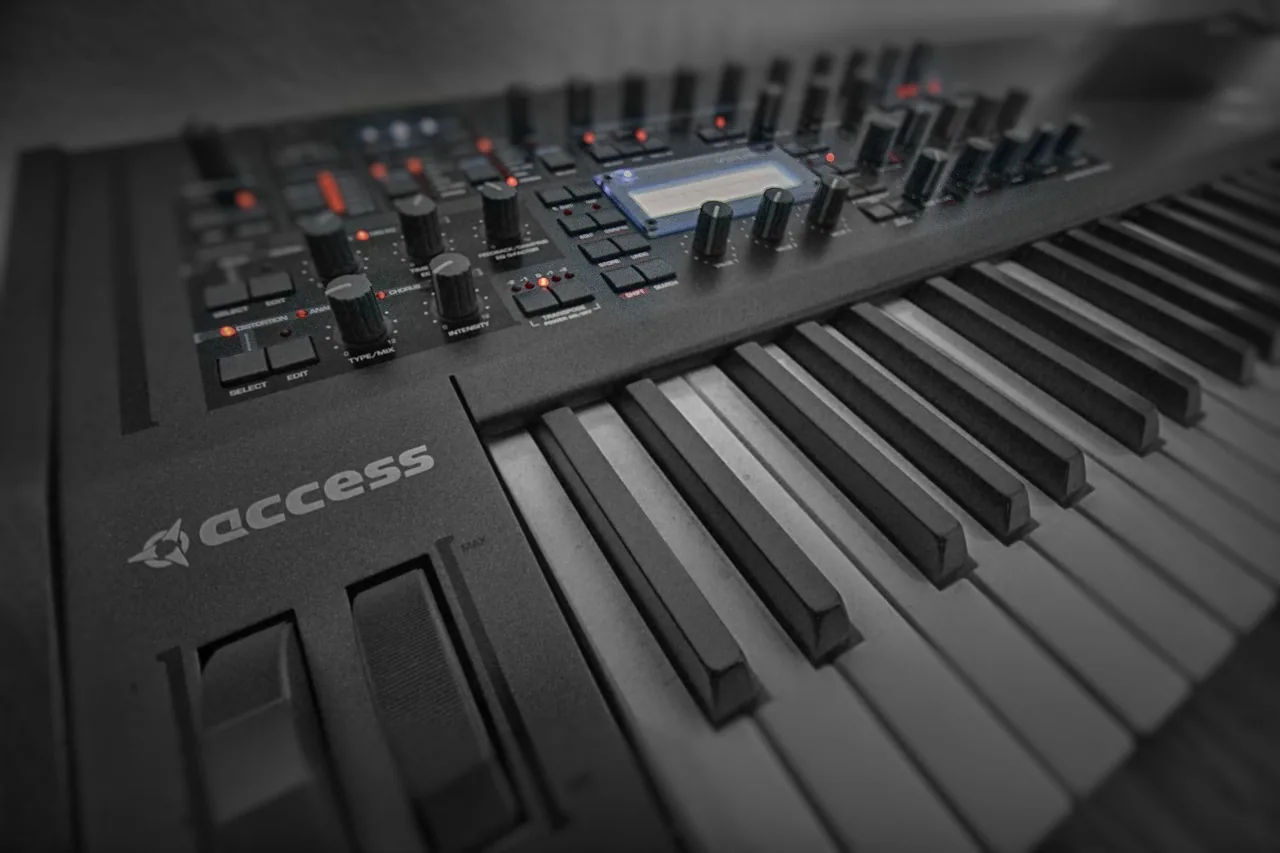
- Technology and music production: Electronic music has pushed the boundaries of audio technology and music production. Production software such as Ableton Live and virtual instruments has made music creation more accessible, enabling anyone with a computer to produce and share music.
- Remix and collaboration culture: Electronic music has encouraged a culture of remixing and collaboration. DJs and producers often collaborate, remix popular songs and exchange ideas to create new tracks and sounds.
- Influence on fashion and lifestyle: Electronic music has also influenced fashion and lifestyle, particularly at festivals and clubs. Trends such as rave clothing, light-up accessories and electronic tattoos have become part of electronic music culture.
- Innovation in visual art: Electronic music often comes with a distinctive visual aesthetic. Multimedia artists create interactive art installations, light projections and visuals synchronized with music to enhance the audience’s experience.
Electronic music has therefore had a profound and lasting impact on contemporary culture, influencing how we listen to and create music as well as how we engage with technology, visual art, fashion and lifestyle.
What are the world’s most renowned electronic music festivals?
Electronic music festivals are among the most anticipated and iconic events on the global music scene. They attract thousands of electronic music fans every year. Here is a selection of the world’s most renowned festivals:
- Tomorrowland: Held in Belgium, Tomorrowland is one of the world’s largest and most prestigious electronic music festivals. It draws DJs and fans from around the world for three days of music, visual art and pyrotechnic shows.
- Ultra Music Festival: Founded in Miami, Florida, Ultra Music Festival is a major electronic music event that has expanded to several cities around the world. It features performances by some of the biggest names in electronic music.
- Electric Daisy Carnival (EDC): Held in Las Vegas and other cities around the world, EDC is famous for its grand productions, rides, art installations and, of course, its exhilarating electronic music.
- Coachella: Although Coachella is best known for its musical diversity, it also has a stage dedicated to electronic music. It attracts world-renowned artists and is one of the most influential festivals for cultural trends.
- Electric Zoo: Held in New York City, Electric Zoo is an outdoor electronic music festival that draws thousands of fans each year with its varied lineup and impressive performances.
- Sónar: Based in Barcelona, Sónar is a festival of electronic music and advanced technology that showcases innovative artists in electronic music, audiovisual performance and digital art.
These festivals represent only a fraction of the diversity and popularity of electronic music events worldwide. Each offers a unique experience, with its own atmosphere, lineup and aesthetic, contributing to the richness and energy of global electronic music culture.
CONTACT US
contact@antiloops.fr
Contact us with any questions, suggestions or ideas for collaboration. We look forward to hearing from you and making your experience on Antiloops even better. Send us a message today!