
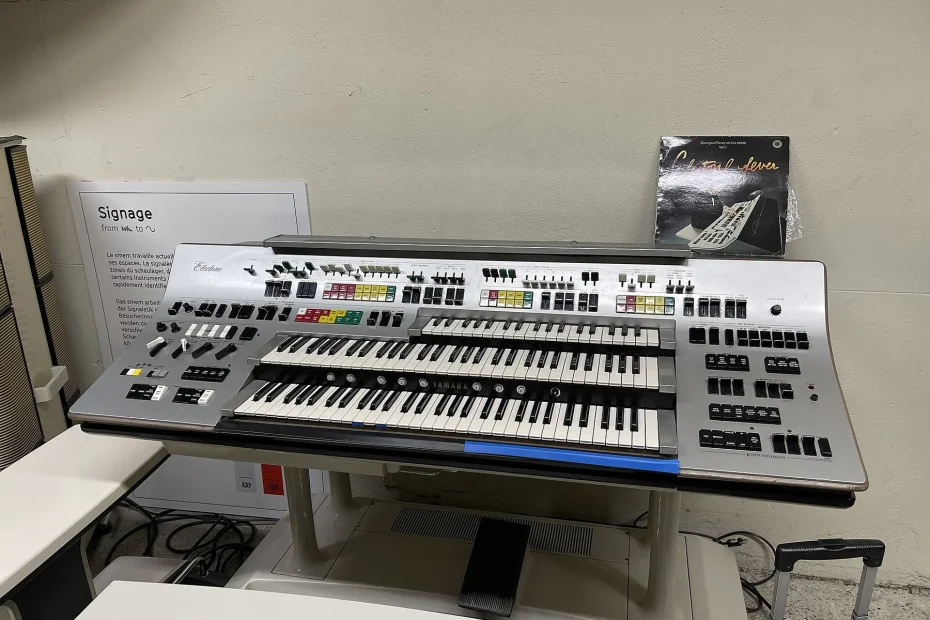
Electronic music has a rich and fascinating history, from its origins to today’s music scene. Since its beginnings, electronic music has evolved continuously, shaped by bold pioneers, technological innovations and an ongoing exploration of new sounds.
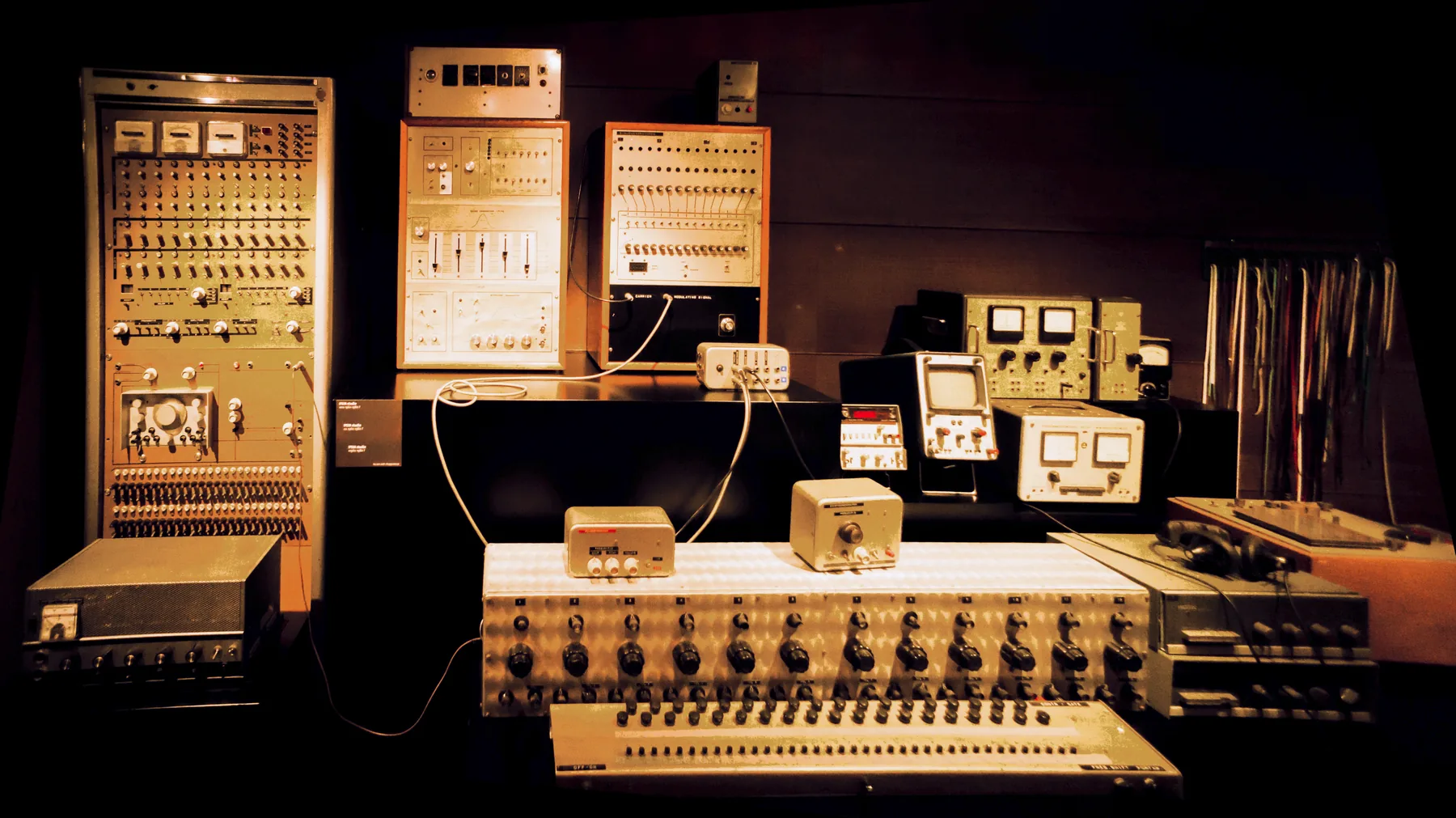
The origins of electronic music date back to the turn of the 1950s, when visionary composers such as Pierre Schaeffer, Iannis Xenakis and Karlheinz Stockhausen began experimenting with electronic sounds and recording techniques. These pioneers explored new forms of musical expression using early electronic instruments and magnetic tape.
Over the decades, electronic music has diversified into a multitude of genres, from the driving rhythms of techno to the atmospheric sounds of ambient music. Each genre has contributed to its evolution, creating unmatched richness and variety.
Electronic music has also had a profound impact on the wider music scene. The unique sounds and boundless possibilities offered by electronic musical instruments have influenced other genres, enriching musical creation and experimentation around the world.
Today, electronic music continues to evolve and grow. Artists and producers explore new sounds, blend musical styles and bring electronic music into spectacular concerts. Electronic music scenes are multiplying, from underground clubs to international festivals, bringing together a vibrant community of enthusiasts.
In this series of articles, we explore the origins of electronic music, the history of its defining genres, the pioneers who shaped it, current trends and its impact on the global music scene.
The characteristics of electronic music
Electronic music stands out for its distinctive qualities and sonic diversity. It uses various electronic instruments and circuit-based technologies to create innovative compositions. Here are some of the main characteristics of electronic music:
- Use of electronic instruments: artists use instruments such as electronic oscillators, synthesizers and digital instruments to produce unique, experimental sounds.
- Electromechanical instruments: some musicians also use instruments such as the Hammond organ, electronic piano and electronic guitar to add distinctive textures to their compositions.
- Sound editing and recording: electronic music draws on a wide variety of sounds recorded and edited on tape. Artists manipulate these recordings to create unique soundscapes.
- Playback through loudspeakers: once created, electronic compositions are played through loudspeakers so audiences can hear them. The choice and placement of loudspeakers influence the final sound.
These instruments and techniques give electronic music its distinctive sound. They enable artists to push the boundaries of musical creation and explore new sonic possibilities.
| Characteristics of electronic music | Description |
|---|---|
| Electronic instruments | Use of electronic oscillators, synthesizers and digital instruments to create experimental sounds. |
| Electromechanical instruments | Use of instruments such as the Hammond organ, electronic piano and electronic guitar to add distinctive textures. |
| Sound editing and recording | Manipulation of sounds recorded and edited on tape to create unique soundscapes. |
| Playback through loudspeakers | Use of loudspeakers to play electronic compositions for audiences. |
The history of electronic music
The history of electronic music goes back to the early 20th century, with the development of the first electronic instruments, such as the theremin and the ondes Martenot. Over the decades, electronic music studios were established in Europe and the United States, enabling pioneers such as Pierre Schaeffer, Karlheinz Stockhausen and John Cage to explore new sonic possibilities and create innovative works.
These developments paved the way for electronic music to emerge in popular culture.
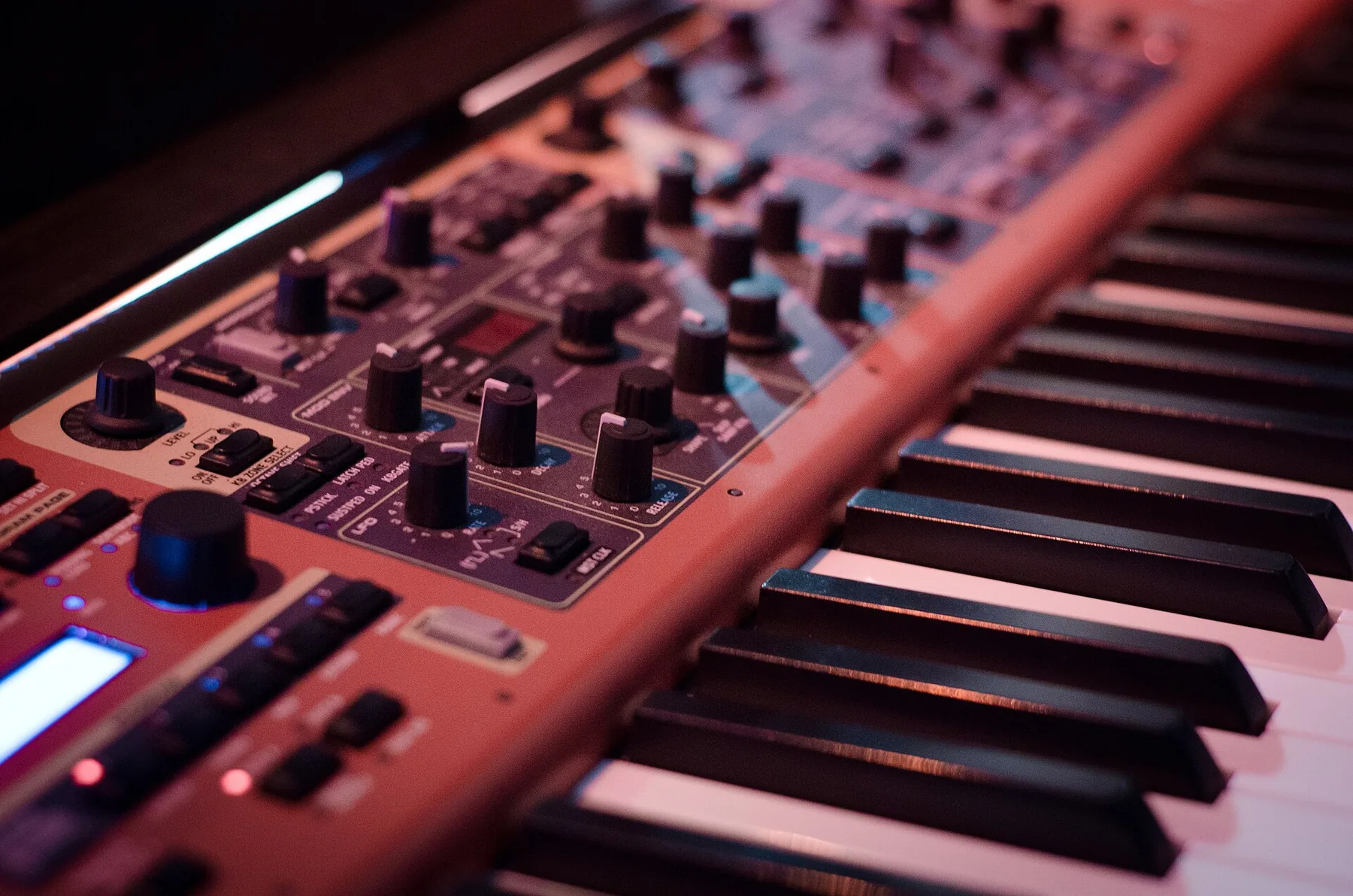
In the early 20th century, inventors such as Leon Theremin and Maurice Martenot developed innovative electronic instruments that used electronic circuits to produce and manipulate sounds. The theremin, invented by Leon Theremin in 1920, is one of the earliest electronic instruments in history. It uses electromagnetic fields to generate sounds, allowing musicians to play without touching the instrument.
“Music may well be the first field of application for electronic machines.” — Pierre Schaeffer
From the 1940s onward, composers such as Pierre Schaeffer explored the possibilities of electronic music through sound recording and manipulation techniques. Schaeffer founded a musique concrète studio in France, where he experimented with sounds recorded on magnetic tape and assembled them into musical compositions.
Over the following decades, other pioneers, including Karlheinz Stockhausen in Germany and John Cage in the United States, also contributed to the evolution of electronic music. Stockhausen experimented with sound synthesis and created avant-garde compositions, while Cage used sound recordings and electronic technologies in his performances.
With the arrival of electronic synthesizers in the 1960s and 1970s, electronic music became more accessible to musicians and began to spread through popular culture. Artists such as Kraftwerk, Jean-Michel Jarre and Giorgio Moroder popularized it through iconic songs and innovative performances.
Today, electronic music continues to evolve and push the boundaries of musical creation. The pioneers of electronic music laid the foundations for an ever-expanding field of music, influencing many other genres and leaving a lasting mark on music history.
The impact of electronic music
Electronic music has profoundly transformed the music scene. By introducing new sounds and pushing the boundaries of musical creation, it has opened up new artistic and sonic possibilities.
It has also had a major influence on other popular genres, including pop, rock and jazz. It has enabled artists to combine different musical influences to create unique, innovative works.
Beyond its musical influence, electronic music has played a key role in the development of recording and music production technologies. Technological advances in this field have enabled artists and producers to stretch their creativity by designing unique sounds and arrangements.
Today, electronic music continues to inspire new generations of artists and influence the contemporary music scene. It has opened the way to exploring new sounds and to the emergence of new genres and musical movements.
The impact of electronic music is undeniable, both artistically and technologically. Its ability to push boundaries and continually evolve makes it a pillar of modern music and a driving force for musical innovation.
The effects of electronic music on the music scene
“Electronic music has completely reshaped the music scene by offering endless possibilities for creating sound. It has opened the way to new experimentation and pushed the boundaries of traditional music. It is a movement that keeps reinventing itself and growing, inspiring many artists to create unique and innovative works.” — David Guetta
Electronic music’s influence on other genres
Electronic music has moved beyond its own boundaries to exert a considerable influence on other styles, including pop, rock and jazz. Artists such as Daft Punk, Kraftwerk and Aphex Twin pioneered the use of electronic music in eclectic compositions and helped bring it to a wider audience.
Technological advances driven by electronic music
Electronic music has driven innovation in recording and music production technologies. The needs of electronic music producers and artists have spurred advances in sound synthesis, signal processing and sampling. These technologies were subsequently adopted throughout the music industry.
| Effects of electronic music | Influence on other genres | Technological advances |
|---|---|---|
| Introduction of new sounds | Pop, rock, jazz | Advances in sound synthesis |
| Pushing the boundaries of musical creation | Integration of electronic music into eclectic compositions | Signal processing techniques |
| Musical innovation | Popularization of electronic music | Advances in sampling |
Electronic music genres
Electronic music encompasses a wide variety of genres. Here are some of the most popular:
- Techno: a genre characterized by minimalist rhythms, powerful bass and hypnotic electronic sounds.
- House: a genre characterized by danceable rhythms, catchy melodies and vocal samples.
- Trance: a genre that creates a euphoric, energizing atmosphere through repeated melodic patterns and buildups.
- Drum and bass: a fusion of energetic rhythms, deep bass and complex basslines.
- Ambient: an atmospheric, relaxing genre that creates a peaceful mood through layers of sound and ethereal textures.
- Dubstep: a genre characterized by heavy bass, syncopated rhythms and striking sound effects.
These genres offer only a glimpse of the vast range of electronic music genres. Over the decades, new subgenres have continued to emerge, enriching artistic creation and expression in electronic music.
Comparing the characteristics of electronic music genres
| Genre | Characteristics | Example tracks |
|---|---|---|
| Techno | Minimalist rhythms, powerful bass, hypnotic electronic sounds | “Voodoo Ray” by A Guy Called Gerald |
| House | Danceable rhythms, catchy melodies, vocal samples | “Finally” by CeCe Peniston |
| Trance | Repeated melodic patterns, buildups, euphoric atmosphere | “Adagio for Strings” by William Orbit |
| Drum and bass | Energetic rhythms, deep bass, complex basslines | “Atlantis” by LTJ Bukem |
| Ambient | Peaceful mood, layers of sound, ethereal textures | “An Ending (Ascent)” by Brian Eno |
| Dubstep | Heavy bass, syncopated rhythms, striking sound effects | “Scary Monsters and Nice Sprites” by Skrillex |
These examples illustrate the diversity of electronic music genres and the characteristics that define them. Each genre offers a unique listening experience, allowing audiences to discover and appreciate the richness of electronic music.
Electronic musical instruments
Electronic musical instruments play an essential role in creating and producing this music. They have evolved considerably over the decades, from early analog synthesizers to digital instruments and modern music production software.
Here are some of the instruments most commonly used in electronic music:
Modular synthesizers
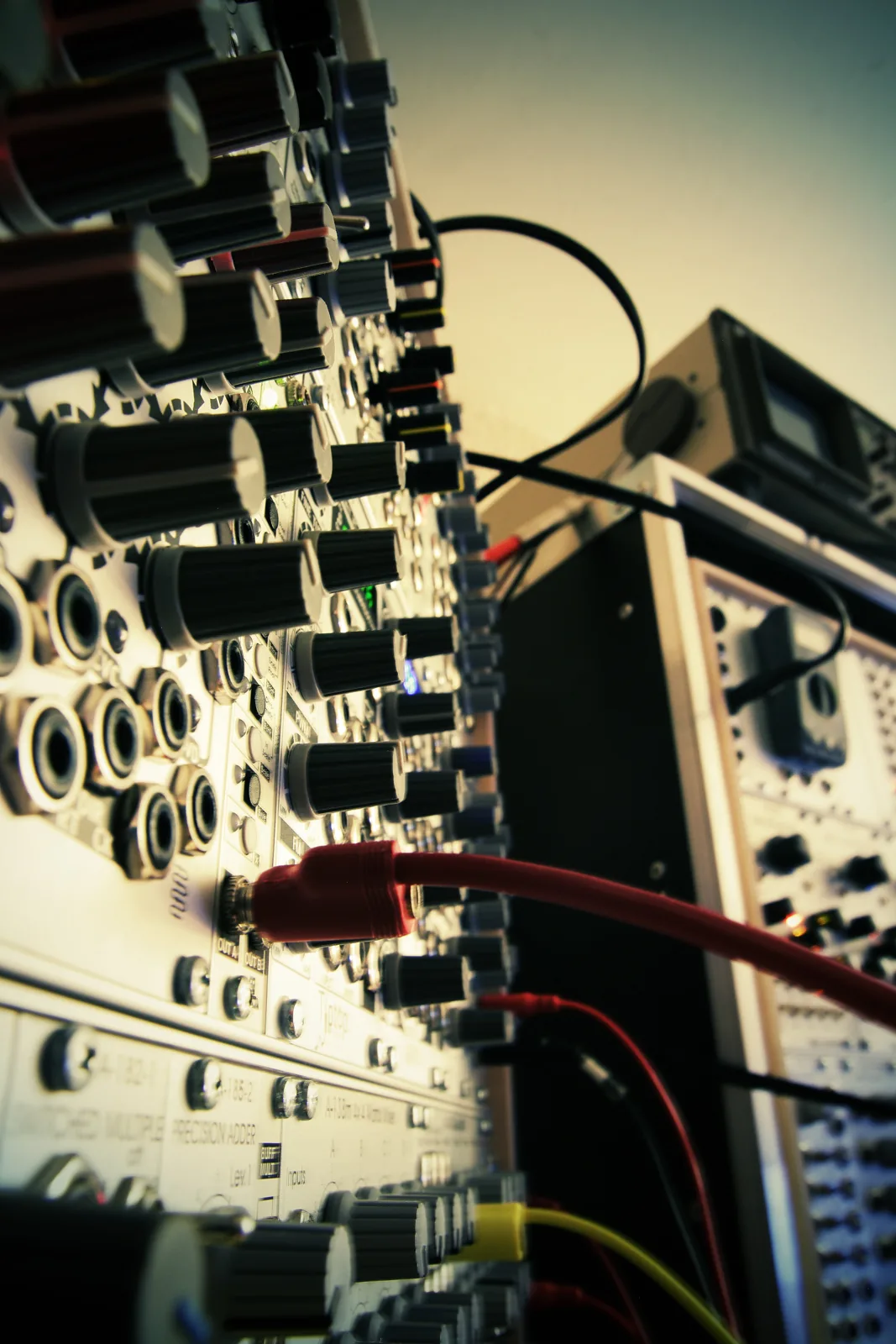
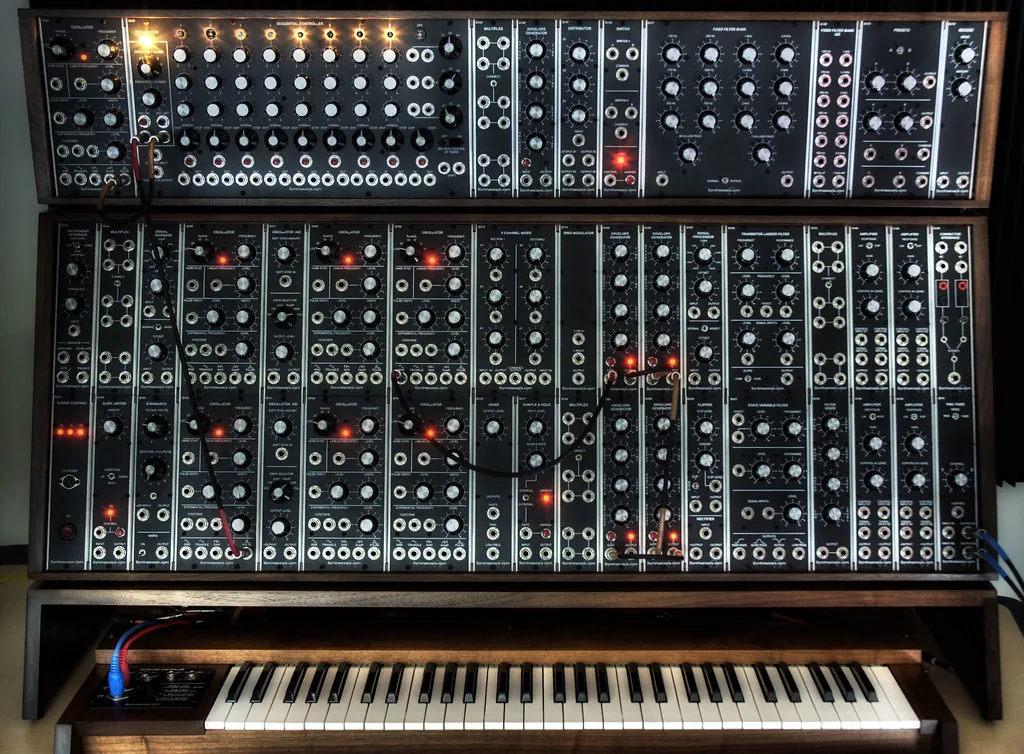
Modular synthesizers are versatile instruments that allow musicians to create a wide variety of sounds through their modular design. They consist of different modules, such as oscillators, filters, envelopes and modulation modules, which can be connected to create unique combinations of sounds.
Drum machines
Drum machines are electronic instruments designed specifically to create rhythms and drum patterns. They offer a wide range of percussion sounds and controls for adjusting a rhythm’s tempo, groove and dynamics.
Samplers
Samplers are electronic instruments that allow musicians to sample and manipulate recorded sounds. They can be used to slice audio samples, play them at different pitches, reverse them, repeat them and combine them to create unique sonic textures.
MIDI controllers
MIDI controllers are devices that let musicians interact with virtual instruments and music production software through the MIDI protocol. They may take the form of keyboards, pads, control surfaces or module controllers, offering an intuitive interface for playing, recording and manipulating sounds.
| Instrument | Description |
|---|---|
| Modular synthesizers | Versatile instruments made up of modules that can be connected to create a variety of sounds. |
| Drum machines | Electronic instruments used to create rhythms and drum patterns. |
| Samplers | Instruments used to sample and manipulate recorded sounds. |
| MIDI controllers | Devices used to interact with virtual instruments and music production software. |
These instruments offer musicians a wide range of sounds and creative possibilities, allowing them to explore new artistic directions in electronic music.
Current trends in electronic music
Electronic music is constantly evolving and pushing the boundaries of musical creation. Today, several emerging trends are influencing electronic music scenes around the world and reflecting audiences’ tastes and expectations.
1. Sound experimentation
One of the current trends in electronic music is sound experimentation. Artists explore new sounds by combining unusual sonic elements and using innovative production techniques. This approach creates original, surprising compositions that push the boundaries of conventional electronic music.
2. Electronic music on stage
Another notable trend is the growing use of electronic music in concerts. Artists incorporate elements played live, such as synthesizers, MIDI controllers and electronic instruments, to create unique listening experiences. These performances encourage direct interaction with audiences and bring a dynamic dimension to electronic music.
3. Integration with other genres
Electronic music is no longer confined to a single genre. Increasingly, artists incorporate electronic elements into other styles, including pop, rock, hip-hop and even classical music. This fusion creates new sounds and pushes the boundaries of musical creation.
4. The emergence of new music scenes
Electronic music is no longer confined to major urban centers. New scenes are emerging around the world, giving rise to movements and communities devoted to particular genres, including techno, house and trance. These local scenes provide a place for emerging artists and enrich the cultural diversity of electronic music.
In conclusion
These current trends in electronic music show how it continues to evolve and reinvent itself. Sound experimentation, live performances, integration with other genres and the emergence of new scenes all help shape today’s musical landscape. Artists and producers continue to push the boundaries of musical creation, opening up new directions for the future of electronic music.
Conclusion on the evolution of electronic music
Throughout its history, electronic music has continually evolved, pushing the boundaries of musical creation and influencing other genres. Pioneers such as Pierre Schaeffer, Karlheinz Stockhausen and John Cage opened up new sonic possibilities and created innovative works. Thanks to their boldness and creativity, electronic music became a field in its own right, encompassing a range of trends and styles.
Today, electronic music continues to reinvent itself as genres such as techno, house and trance, among others, emerge. Producers and artists constantly experiment with new sounds and push the boundaries of musical creation. Electronic music also finds a place in other genres, blending with rock, pop, jazz and even classical music.
With the arrival of digital technologies, creating and producing electronic music has become more accessible than ever. Musicians can use production software on their computers to create original compositions. DJs can mix their tracks live in captivating performances at festivals and clubs around the world.
Ultimately, electronic music is a vast and diverse field that continues to fascinate and influence many listeners. It has come a long way from the electronic music laboratories of the 20th century to today’s international music scene. Through its constant evolution, it continues to chart new paths and shape the future of music.
FAQ
Who are the pioneers of electronic music?
The pioneers of electronic music include composers such as Pierre Schaeffer, Iannis Xenakis and Karlheinz Stockhausen, who opened up new sonic possibilities and created innovative works.
What are electronic musical instruments?
Electronic musical instruments include electronic oscillators, synthesizers, digital instruments, the Hammond organ, electronic piano and electronic guitar.
What are the genres of electronic music?
Electronic music genres include techno, house, trance, drum and bass, ambient and dubstep.
What impact has electronic music had?
Electronic music has had a major impact on the music scene by introducing new sounds and pushing the boundaries of musical creation. It has also influenced other genres, such as pop, rock and jazz, and played an important role in the development of recording and music production technologies.
What are the current trends in electronic music?
Current trends in electronic music include sound experimentation, live performances, integration with other genres and the emergence of new scenes around the world.
Source links
- https://imusician.pro/en/resources/guides/history-evolution-electronic-music
- https://www.theguardian.com/music/2019/apr/15/raves-robots-and-writhing-bodies-how-electronic-music-rewired-the-world
- https://www.cambridge.org/core/books/abs/cambridge-companion-to-electronic-music/origins-of-electronic-music/9DE51CD5E2AE0EC815582B0294D99480