
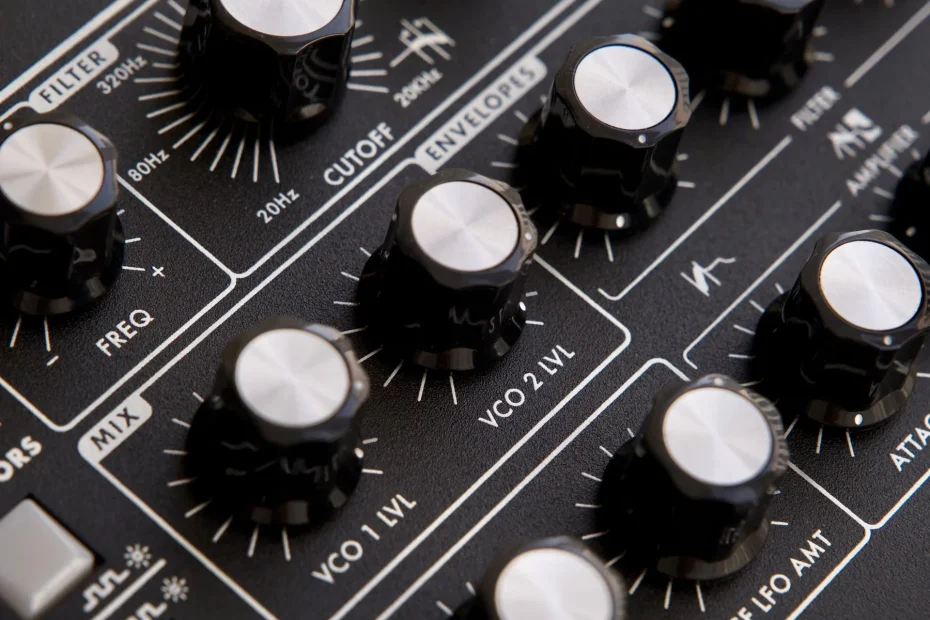
Electronic music has evolved remarkably over the years, significantly revolutionizing the musical landscape. Pioneers such as Pierre Schaeffer, Iannis Xenakis and Pierre Henry experimented with electronic sounds as early as the 1950s, opening up new possibilities for artistic expression.
Over time, electronic music has merged with other musical genres, influencing the music scene as a whole. Electronic artists have pushed the boundaries of musical creativity by using instruments such as the synthesizer and exploring the possibilities offered by new technologies. This evolution in sound has transformed how we listen to and appreciate music and opened new paths for artists around the world.
Technological advances
The digital revolution has played a major role in the transformation of electronic music. Technological advances have opened up new possibilities for artists, allowing them to push the boundaries of music creation.
Sound recording has enabled musicians to capture and manipulate sounds in unprecedented ways. Synthesizers, capable of creating an endless range of electronic sounds, have revolutionized musical composition.
MIDI sequencers have simplified music creation by allowing musicians to compose and manipulate sequences of notes with ease. Music software has also played a crucial role by giving artists powerful, accessible tools for creation and music production.
These technological advances have also transformed the recording industry, with the emergence of home recording studios. Compact yet sophisticated, these studios have made music production more accessible and enabled artists to create their work at home.
Electronic music has also benefited from the digital revolution in distribution. Online music platforms have made it easier to share electronic music with a global audience, giving artists greater visibility and making their music more accessible.
Technological advances in electronic music have opened new paths for music creation. They have enabled artists to push the boundaries of creativity and shape the contemporary musical landscape.
Thanks to these advances, electronic music has grown exponentially, attracting new talent and encouraging creative collaborations. The possibilities offered by technological advances continue to expand, pointing to an exciting future for music creation.
Example of a MIDI sequencer
Here is an example of a MIDI sequencer used by musicians to create and manipulate sequences of notes:
| Features | Functions |
|---|---|
| Synchronization | Synchronizes MIDI instruments, such as synthesizers and drum machines. |
| Recording and editing | Records, edits and arranges notes to create musical sequences. |
| Dynamics control | Controls velocity, expression and other performance parameters. |
| Automation | Creates changes in sound and mixing by automating parameters. |
The influence of electronic music
Electronic music has had a major influence on different musical genres. It has contributed to the popularity of popular music by adding electronic sounds to melodies. In the film industry, electronic music has been used in many soundtracks, bringing a futuristic and immersive dimension to films. Jazz has also been influenced by electronic music, with the emergence of styles such as acid jazz and nu jazz. Even disco incorporated electronic sounds, opening up new directions for the genre. Finally, French Touch left its mark on the 1990s by blending electronic music and disco into irresistible dance rhythms.
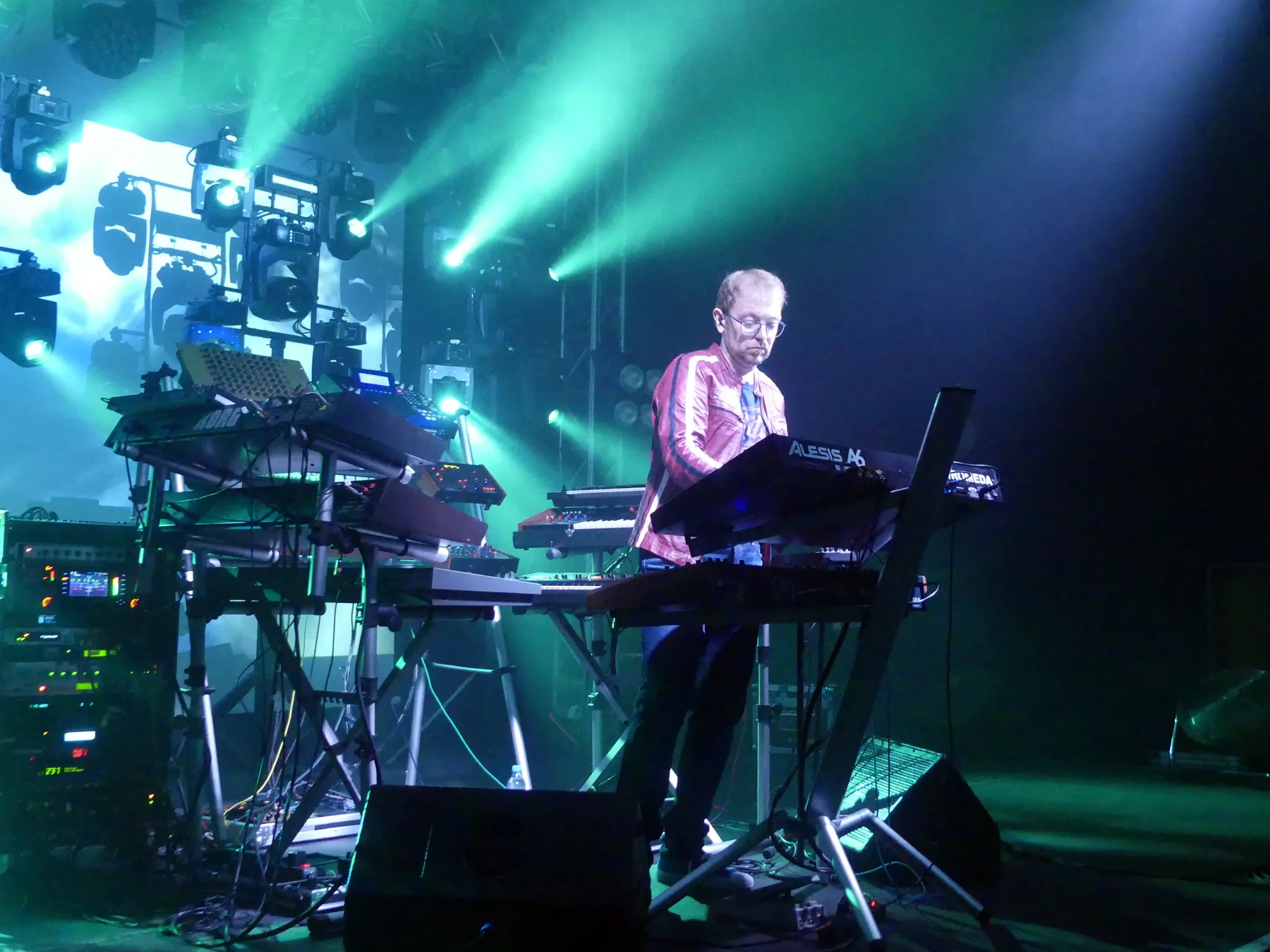
Influence of electronic music
Electronic music has moved beyond its original genre to influence a range of musical styles. Here is an overview of its impact on some popular genres:
| Musical genre | Influence of electronic music |
|---|---|
| Popular music | Electronic music has added futuristic sounds and driving rhythms to popular songs, helping them appeal to a wider audience. |
| Film music | Film soundtracks often use elements of electronic music to create an immersive, compelling atmosphere. These sounds bring a futuristic dimension to films. |
| Jazz | The emergence of acid jazz and nu jazz brought electronic sounds together with the harmonies and improvisation characteristic of jazz, creating new musical experiences. |
| Disco | Disco incorporated electronic rhythms and sounds into its productions, adding sophistication and energy to this dance genre. |
| French Touch | French Touch left its mark on the 1990s by blending electronic music and disco. Artists such as Daft Punk created iconic tracks that brought the movement to an international audience. |
The artists who shaped electronic music
Several artists played a crucial role in the development of electronic music. Among them, Jean-Michel Jarre was a true pioneer with his album “Oxygène,” released in the 1970s. The album made a lasting impression and popularized electronic sounds, helping electronic music emerge as a genre in its own right.
Vangelis is another iconic artist who left an indelible mark on the history of electronic music. His atmospheric, cinematic compositions used electronic sounds and featured in many wildlife documentary soundtracks, adding an immersive dimension to those visual works.
Kraftwerk, the legendary German band, is considered one of the forerunners of electronic music. Its robotic, hypnotic style influenced many artists and helped define the genre’s distinctive sound.
Tangerine Dream, meanwhile, explored drifting, cosmic soundscapes. The band pushed the boundaries of electronic music with compositions rich in texture and atmosphere, opening new paths for sonic exploration and experimentation.
Finally, Daft Punk is a French duo that left its mark on the electronic scene in recent years. Its blend of electronic music and pop created a distinctive, infectious style, taking the genre in new directions and attracting a wide audience around the world.
| Artist | Album or major contribution |
|---|---|
| Jean-Michel Jarre | “Oxygène” |
| Vangelis | Wildlife documentary soundtracks |
| Kraftwerk | Various works with a robotic, hypnotic style |
| Tangerine Dream | Exploration of drifting, cosmic soundscapes |
| Daft Punk | Blend of electronic music and pop |
Conclusion
Electronic music has profoundly changed the musical landscape by revolutionizing how we listen to, create and appreciate music. Thanks to technological advances, artists have been able to explore new creative horizons and push the boundaries of artistic creativity.
The blending of genres has played a key role in the evolution of electronic music. Genres as varied as pop, jazz and disco have incorporated electronic elements, creating captivating new sounds.
The pioneers of electronic music have left an indelible mark on music history. Artists such as Jean-Michel Jarre, Vangelis, Kraftwerk, Tangerine Dream and Daft Punk led the way by experimenting with new production techniques and creating innovative compositions.
Electronic music continues to reinvent itself and evolve, suggesting a promising future full of new musical discoveries. Artistic creativity and the blending of genres remain driving forces in this constantly evolving musical world.
FAQ
How has electronic music revolutionized the musical landscape?
Electronic music has revolutionized the musical landscape by introducing new possibilities for artistic expression and merging with other musical genres, influencing the music scene as a whole.
What role have technological advances played in transforming electronic music?
Technological advances, such as sound recording, synthesizers, MIDI sequencers and music software, have enabled artists to push the boundaries of music creation, making music production accessible to everyone and making it easier to share music with a global audience.
Which musical genres have been influenced by electronic music?
Electronic music has influenced many genres, including popular music, film music, jazz and disco, by adding electronic sounds and exploring new musical directions.
Which artists played a crucial role in the development of electronic music?
Artists such as Jean-Michel Jarre, Vangelis, Kraftwerk, Tangerine Dream and Daft Punk were pioneers of electronic music, helping shape the genre through their distinctive compositions and sonic explorations.
How has electronic music transformed the music industry?
Electronic music has transformed how we listen to, create and appreciate music by pushing the boundaries of musical creativity, blending genres and introducing new sounds. Technological advances and digital distribution platforms have also opened new paths for artists around the world.