
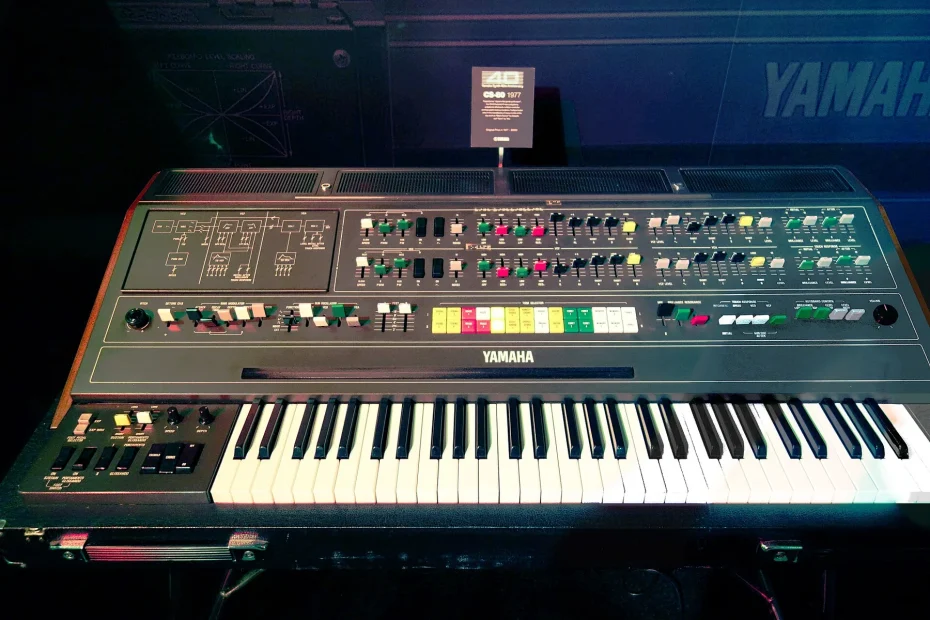
Electronic music has evolved remarkably over the years, moving from an underground scene to a popular phenomenon that profoundly influences contemporary culture. Its impact on society is undeniable, both artistically and socially.
Electronic music has played a major role in the evolution of modern music. With its distinctive aesthetic and innovative use of electronic instruments, it has opened up new creative possibilities and influenced many musical movements.
The growing popularity of electronic music has also affected popular culture. It has shaped musical trends, fashion and even social behavior. Electronic music festivals now attract thousands of fans from around the world, creating a community around the music.
Electronic music’s influence extends beyond the arts. It has also helped redefine the relationship between music and culture. By incorporating visual elements such as elaborate stage performances and projections, electronic music crosses traditional boundaries and creates a unique multisensory experience.
This evolution of electronic music and its growing popularity also have deeper social implications. Electronic music gave rise to genres such as house and techno, which have brought diverse communities together and promoted inclusion.
Electronic music has therefore transformed popular culture significantly, both artistically and socially. Its impact continues to be felt in many aspects of society, continually reshaping our relationship with music and culture.
The evolution of electronic genres and their social influence
Electronic music grew out of the evolution of several genres, including house, techno, breakbeat, IDM, trance and EBM. These genres have influenced one another musically and socially.
For example, the electronic music scene advocates inclusion and recognition of members of the LGBTQIA+ community, partly because of disco’s influence. Disco was popular in gay communities before house emerged.
House, an emblematic electronic music genre, was influenced by disco’s sound. It created an inclusive space where people could express themselves through music regardless of their ethnicity, sexual orientation or gender.
“House is one of the few forms of music that brings people together and gets them dancing on a purely intuitive level.”
Likewise, techno, another major electronic music genre, was also influenced by the inclusive culture of disco. Techno clubs often bring together people from all walks of life, forming a community united by music and a spirit of celebration.
The evolution of electronic genres has also been shaped by social and political movements. For example, Berlin’s underground movement of the 1980s saw the emergence of a techno culture that challenged the commercial music industry and capitalist values.
The inclusive and underground character of electronic genres
One defining characteristic of electronic genres is their underground character. These genres were long associated with alternative clubs, raves and countercultural communities.
Yet despite their position outside the traditional music industry, electronic genres have secured an important place in popular culture. Artists such as Daft Punk, Kraftwerk and Aphex Twin have achieved international success by pushing the boundaries of electronic music.
The diversity of genres and styles
Electronic music encompasses a wide variety of genres and styles, which contributes to its social influence. Its best-known subgenres include deep house, trance, drum and bass, ambient and dubstep, among many others.
These genres offer a wealth of creative possibilities and allow artists to find their own styles. Electronic music also often features sonic experimentation and complex compositions, attracting audiences eager for novelty and innovation.
In conclusion, the evolution of electronic genres has had a significant social influence, encouraging inclusion and diversity. These genres have created an alternative musical culture while gaining worldwide recognition. Electronic music continues to evolve and push boundaries, making an essential contribution to contemporary culture.
Art music and popular music
The distinction between art music and popular music is complex in the context of electronic music. Art music is often associated with an elite, educated audience, while popular music is presumed to be heard by less privileged groups in society. In electronic music, however, that distinction is less clear.
A more useful distinction is the music’s reach. Popular music is intended for a broad audience: it is often heard on the radio, played in public places and woven into mainstream culture. Art music, by contrast, reaches a smaller, more underground audience.
Electronic music, in particular, belongs to a scene that crosses geographic and social boundaries. Electronic genres can be both experimental and mainstream. For example, trance and techno have achieved worldwide success and are often associated with large electronic music events, while more experimental subgenres such as IDM (Intelligent Dance Music) have a more limited reach.
However, the distinction between art music and popular music in electronic music is constantly evolving. Artists and producers continue to push boundaries and explore new musical territory, creating new shades of expression and hybrids of genres and audiences.

Ultimately, it makes more sense to see electronic music as a diverse set of cultural expressions that can cross boundaries and bring different audiences together than to classify it rigidly as either “art” or “popular” music. Electronic music has opened up new creative possibilities and helped shape contemporary culture profoundly.
Techno culture and the cultural industry
Techno culture encompasses electronic music as well as the fashion, graphic design and beliefs associated with it. Electronic music emerged amid socioeconomic and political difficulties, particularly in working-class neighborhoods of Chicago, Detroit and Berlin. As electronic music became integrated into the cultural industries, however, the people involved in the movement became more professionalized and grew in number from the 1980s and 1990s onward.
Techno culture began as a counterculture, an underground movement that developed in opposition to dominant popular music. Electronic music artists and fans sought to create a space where they could express themselves freely without conforming to the music industry’s established norms.
Over time, techno culture gained popularity and recognition, attracting the attention of the cultural industry. Electronic music festivals became major events, drawing thousands of participants from around the world. More and more companies also recognized electronic music’s commercial potential and sought to profit from it. This led to the emergence of what is sometimes called “Business Techno”, which puts the commercial side of techno culture in the foreground.
Techno culture was born in underground neighborhoods, but it evolved into a global phenomenon integrated into the cultural industry. Some purists, however, believe that this professionalization has diluted techno culture’s original spirit and distanced it from its underground roots.
Even so, techno culture remains associated with a degree of counterculture and marginality. Many electronic music artists and fans remain committed to techno culture’s original values, including autonomy, experimentation and artistic independence.
In conclusion, techno culture has undergone a complex evolution from underground movement to part of the cultural industry. It remains influential, attracting a passionate audience that values its underground roots. Techno culture continues to shape electronic music and inspire new artistic movements.
Shared creation in electronic music
Electronic music is distinguished by an aesthetic of shared creation. Deejaying, remixing, sampling and mash-ups are key artistic practices in the electronic scene. Pioneering disco and hip-hop DJs laid the foundations for this aesthetic by mixing and breaking down vinyl records live. Remixing reworks a musical composition, while sampling uses excerpts of existing recordings. A mash-up combines several audio tracks to create a new composition.
Shared creation lies at the heart of electronic music: it allows artists to reinterpret and reinvent existing sounds together. This approach encourages creative exploration and artistic diversity while supporting the exchange of knowledge and ideas among musicians.
Deejaying is an emblematic electronic music practice: DJs use turntables and mixing consoles to manipulate and mix tracks in real time. This form of performance lets DJs create a unique musical experience at every event.
Examples of artistic practices in electronic music
Here are some artistic practices commonly used in electronic music:
- Remixing: reinterpreting an existing musical composition by adding new elements and changing its structure.
- Sampling: using excerpts of existing recordings to create new compositions or incorporate them into a musical work.
- A mash-up: combining several audio tracks from different sources to create a new, original composition.
The aesthetic of shared creation in electronic music allows artists to explore new sounds and push the boundaries of traditional musical composition. It also reflects the influence of remix culture and sharing on the evolution of contemporary music.
Comparing artistic practices
| Artistic practice | Description | Example |
|---|---|---|
| Deejaying | Manipulating and mixing musical tracks live | Using vinyl turntables to create smooth transitions between tracks |
| Remix | Reinterpreting an existing musical composition | Adding new layers of sound and rhythms to a popular song |
| Sampling | Using excerpts of existing recordings | Incorporating a vocal sample from an older song into a new production |
| Mash-up | Combining several audio tracks | Blending a hip-hop track with a classical melody |
Conclusion
In conclusion, electronic music has had a profound impact on popular culture. From its modest beginnings in the underground neighborhoods of Chicago and Detroit, it has grown into a global phenomenon. Electronic music has shaped fashion, influenced artistic practices and left its mark on society as a whole.
One of the most striking aspects of electronic music’s impact is its ability to redefine ideas of art music and popular music. By expanding its reach, it has connected with a broader audience and transcended traditional categories. Today, electronic music is an integral part of contemporary culture, combining artistic innovation with social engagement.
Ultimately, the synthesis of different electronic genres and musical movements has given rise to an aesthetic of shared creation. Deejaying, remixing, sampling and mash-ups are all practices that let artists express themselves and create new compositions. This collective creativity is central to electronic culture and embodies its innovative, inclusive spirit.
In short, electronic music’s impact on popular culture is undeniable. Through constant evolution, it has reinvented itself and won a global audience. Electronic music has crossed boundaries and categories to become a universal language, influencing society while reflecting the aspirations of its community. It continues to inspire new movements and shape contemporary culture.
FAQ
What effects has electronic music had on popular culture?
Electronic music has had a considerable impact on popular culture by influencing fashion, artistic practices and society more broadly. It has also helped redefine ideas of art music and popular music.
How has electronic music evolved over time?
Electronic music has undergone a profound transformation, moving from an underground scene to festivals that now welcome tens of thousands of people. It grew out of the evolution of genres such as house, techno, breakbeat, IDM, trance and EBM, which have influenced one another musically and socially.
How does electronic music differ from art music and popular music?
Electronic music blurs the boundaries between art music and popular music. The distinction depends more on the music’s reach. Popular music is intended for a broad audience, while art music reaches a smaller, more underground audience.
What does techno culture encompass besides electronic music?
Techno culture encompasses electronic music as well as the fashion, graphic design and beliefs associated with it. It emerged amid socioeconomic and political difficulties, particularly in working-class neighborhoods of Chicago, Detroit and Berlin.
What are the electronic scene’s key artistic practices?
The electronic scene is characterized by an aesthetic of shared creation. Deejaying, remixing, sampling and mash-ups are key artistic practices in this music. These techniques let artists mix, rework and combine sounds to create new compositions.
Sources
- https://www.grammy.com/news/house-music-timeline-important-artists-songs-moments/
- https://artsandculture.google.com/story/pioneers-of-electronic-dance-music/AwWBpUS8DJHVow?hl=en
- https://www.theguardian.com/music/2020/may/25/from-germany-to-detroit-and-back-how-kraftwerk-forged-an-industrial-exchange