

Electronic music has a significant impact on other musical genres: it shapes their evolution and encourages innovative, contemporary musical fusion. It influences musical composition, encourages experimentation with sound and the use of electronic instruments, and contributes to the emergence of new musical styles and subgenres.
Thanks to electronic music, music has opened up to new possibilities. The boundaries between genres have blurred, giving rise to new collaborations and unprecedented creative diversity. Artists have been able to explore new sounds, push the boundaries of musical composition and create distinctive, daring works.
The influence of electronic music on other genres can be seen across contemporary music. Elements and techniques borrowed from electronic music appear in rock, jazz, pop, hip-hop and many other genres. This has led to new subgenres and the evolution of existing styles.
Musical fusion, made possible by electronic music, brings together elements of different genres to create distinctive, innovative sounds. For example, electronic rock blends electric guitars with electronic rhythms to create a new listening experience. Likewise, electronic pop combines catchy melodies with electronic beats, giving popular music a modern, energetic feel.
The use of electronic instruments and music production techniques associated with electronic music has also allowed artists to explore new sonic possibilities. The sounds and effects created by electronic instruments have enriched musical compositions and added a distinctive dimension to live performances.
In conclusion, the impact of electronic music on other musical genres is undeniable. It has opened new creative paths, encouraged experimentation with sound and the fusion of genres, and contributed to the evolution of contemporary music. Electronic music continues to influence and enrich the music scene, offering artists and listeners fresh perspectives and seemingly endless possibilities.
The benefits of electronic music for people
Electronic music offers people many benefits. Studies have shown that music can ease stress, stimulate dopamine release and promote relaxation. The repetitive sounds and frequent bass notes in electronic music can induce a trance-like state and release dopamine, encouraging movement and dance.
Indeed, the neurophysiological effects of electronic music may be therapeutic, reducing anxiety and improving mood. Its driving rhythms and hypnotic melodies can help lessen negative thoughts and encourage feelings of well-being and relaxation.
Electronic music may also have positive cardiovascular effects. While listening to electronic music, heart rate may rise, blood vessels may dilate and blood pressure may fall, supporting cardiovascular health.
As for respiratory effects, electronic music may encourage deeper, more regular breathing. Its frequent bass notes and steady beats may prompt slower, more controlled breathing, which helps with relaxation and meditation.
In short, electronic music offers individuals many benefits. Whether it promotes relaxation, mental stimulation or general well-being, it has the power to change our state of mind and listening experience.
| Effects | Benefits |
|---|---|
| Neurophysiological | Reduced stress and improved mood |
| Cardiovascular | Improved cardiovascular health |
| Respiratory | Encouragement of deep, regular breathing |
| Well-being | Improved general well-being and relaxation |
| Mental stimulation | Encouragement to enter a trance-like state and move |
How electronic music blends musical genres
Electronic music has encouraged the fusion of different musical genres, creating a range of new subgenres and styles. This evolution has enriched the music scene, offering listeners innovative sounds and opening new possibilities for artists.
One notable example of this fusion is electronic rock. This genre combines elements of traditional rock, such as guitar and drums, with electronic sounds and programmed rhythms. The result is an energetic, dynamic atmosphere that gives rock music a new dimension.
Electronic jazz is another genre born of this musical fusion. Rather than relying solely on traditional acoustic instruments, electronic jazz incorporates elements such as synthesizers and sound loops. This allows musicians to blend the improvisation characteristic of jazz with modern sounds, creating a distinctive and captivating fusion.
Another example of a fusion encouraged by electronic music is electronic pop. This subgenre combines catchy, upbeat melodies with electronic elements such as synthesizers and sound effects. Electronic pop has become extremely popular thanks to its driving rhythms and memorable melodies.
Electronic hip-hop also results from the fusion of rap and electronic rhythms. Using electronic samples and sound loops, it creates a distinctive atmosphere that complements rap lyrics and groove.
Examples of genres blended through electronic music:
| Subgenre | Characteristics | Examples |
|---|---|---|
| Electronic rock | Combination of traditional rock instruments with electronic sounds and programmed rhythms | Nine Inch Nails, The Prodigy |
| Electronic jazz | Use of acoustic jazz instruments alongside electronic elements and sound loops | Snarky Puppy, Flying Lotus |
| Electronic pop | Catchy melodies paired with synthesized electronic elements | Robyn, Ellie Goulding |
| Electronic hip-hop | Rap paired with electronic rhythms and sound samples | Flume, Kaytranada |
These examples illustrate the range of sounds and musical styles that result when genres blend through electronic music. New subgenres continue to emerge, pushing the boundaries of creativity and musical experimentation.
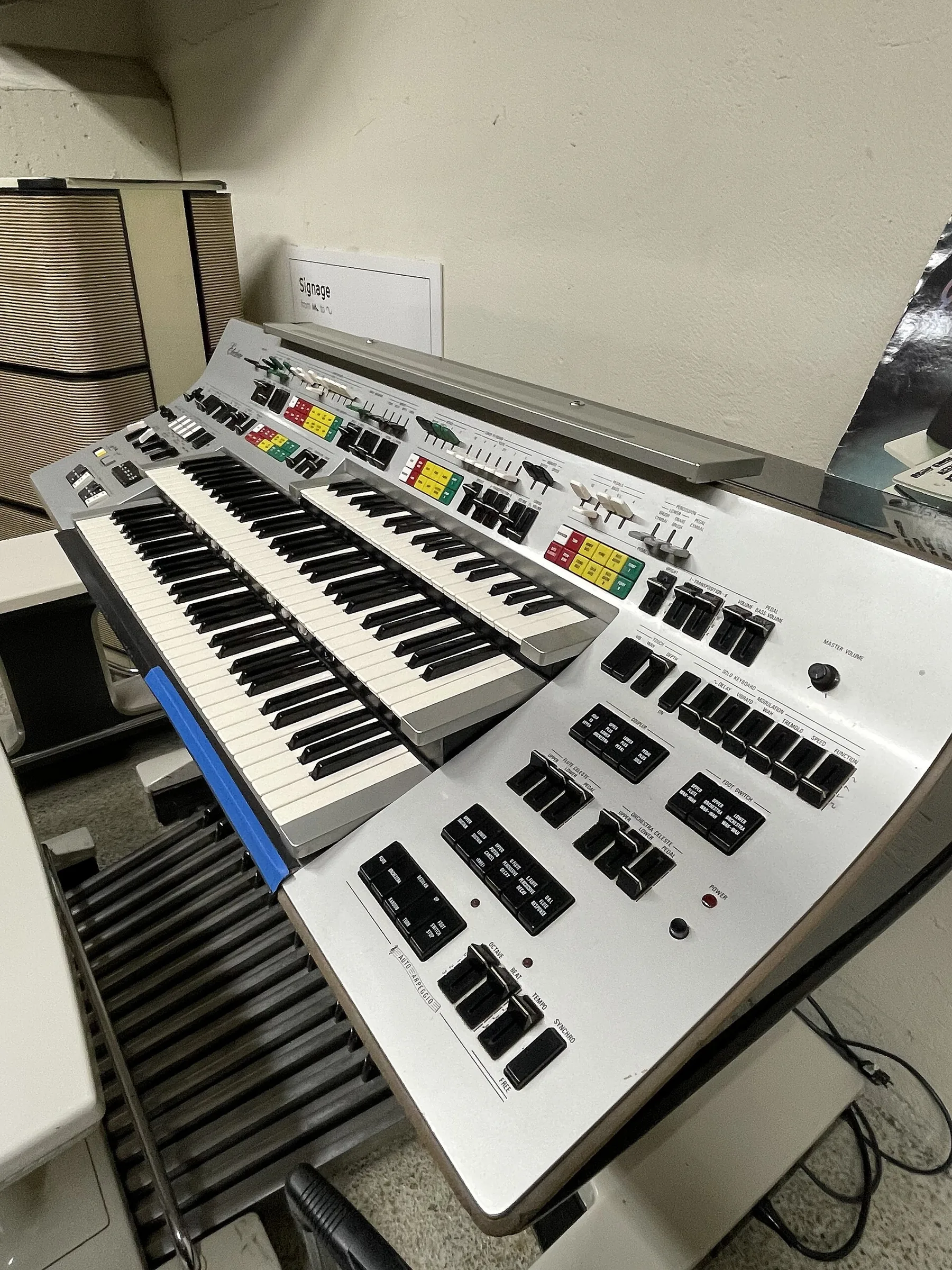
Electronic music therefore plays an essential role in the evolution of contemporary music by bringing traditional genres and electronic elements together in innovative ways. This fusion allows artists to push the boundaries of their creativity and gives listeners a distinctive, captivating listening experience.
The evolution of music production techniques
Electronic music has brought about a significant evolution in music production techniques. By using electronic instruments such as synthesizers, sequencers and drum machines, musicians have been able to push the boundaries of their creativity and make distinctive sounds. These electronic instruments have become essential for composing and producing many kinds of music, from purely electronic music to other genres that incorporate electronic elements.
Technological innovations in electronic music have opened new possibilities for producers and musicians. Professional electronic equipment has become more affordable, allowing more people to begin producing music. Music production software also offers a wealth of options and features that make the creative process easier.
As production techniques have evolved, electronic music has also influenced musical structure. Musicians have experimented with new ways of composing, using loops, samples and innovative sound effects. Conventional structures have often given way to freer, nonlinear compositions.
Electronic music has enabled musicians to push the boundaries of their creativity and explore new approaches to the music production process.
Technological innovation continues to play an essential role in the evolution of music production techniques. New electronic instruments regularly come onto the market, giving musicians more ways to create distinctive sounds. Advances in music production software also make it possible to explore new techniques and work more quickly and efficiently.
In summary, electronic music has contributed to a significant evolution in music production techniques. Electronic instruments, technological innovations and changing musical structures allow musicians to push the boundaries of their creativity and produce innovative, captivating music.
How electronic music has transformed the listening experience
Electronic music has radically transformed the listening experience by introducing new immersive elements to concerts and festivals devoted to the genre. Audiences can now enjoy a more intense listening experience thanks to lighting and visuals that add another dimension to the music.
Electronic music concerts often feature spectacular visuals, with synchronized lighting and video projections creating an absorbing atmosphere. These visual elements add a new dimension to creativity and artistic expression, giving audiences a distinctive multisensory experience.
“Electronic music is a visual and sonic experience that transports you to another world. The lighting and visuals create a magical atmosphere, where every beat resonates with your soul.” — Catherine, electronic music fan.
The influence of DJs and producers
DJs and producers have become major figures in the music scene thanks to electronic music. Their ability to create a particular atmosphere in their sets and select tracks that captivate an audience is an invaluable skill. They have popularized electronic music and influenced other genres by incorporating electronic elements into their productions.
DJs use mixing techniques to move smoothly between tracks, creating an uninterrupted listening experience. They can shape the audience’s emotions with gradual build-ups and powerful bass. This creates a distinctive energy and excitement at live events.
An immersive listening experience
Technological advances have also helped transform the listening experience. Modern headphones offer exceptional sound quality, allowing listeners to appreciate the details and subtleties of electronic music tracks.
These advances, together with sophisticated music production software, have enabled producers to create complex, immersive soundscapes. Layers of sound, spatial effects and distinctive textures transport listeners into a fascinating sonic world.
At electronic music festivals, audiences can discover interactive audiovisual installations that add another dimension to their experience. Bold lighting installations, innovative visual projections and virtual reality devices often help create a captivating atmosphere.
How electronic music has changed the music industry
Electronic music has played a key role in the evolution of the music industry. With the emergence of the digital music market, streaming and download platforms have made it easier for artists to share their music and reach a wider audience. This shift to digital has profoundly changed how music is consumed and distributed.
Digital platforms have attracted large numbers of users through their accessibility and extensive music libraries. Streaming has become the main way people listen to music, overtaking physical sales and downloads. Listeners can now access an enormous range of tracks and genres with a simple internet connection.
This move toward the digital market has also reshaped the music industry’s business model. Artists no longer depend solely on album sales; they increasingly rely on tours and concerts as essential sources of income. Streaming platforms give artists greater visibility, helping them gain popularity and sell more tickets to live shows.

However, this shift has also created challenges for the music industry. Streaming revenue is often lower than revenue from physical sales, causing financial difficulties for many artists and labels. Furthermore, free or inexpensive access to music on digital platforms has reduced its perceived value, making it harder for artists to earn enough from their recorded music alone.
In conclusion, electronic music has played a decisive role in the evolution of the music industry. It has contributed to the emergence of the digital music market, changes to the industry’s business model and the growing importance of tours and concerts. Although challenges remain, electronic music continues to influence and shape the industry, opening new possibilities and challenging established traditions.
Conclusion
Electronic music has had a considerable impact on the evolution of other musical genres. By encouraging different styles to blend, it has given rise to innovative contemporary music. It has also influenced the use of electronic instruments and music production techniques, allowing musicians to explore new sonic structures and push the boundaries of their creativity.
Electronic music has also transformed the listening experience by bringing immersive elements such as lighting and visuals to concerts and festivals. It has generated new subgenres, including electronic rock, electronic jazz, electronic pop and electronic hip-hop.
Electronic music has also contributed to the evolution of the music industry by creating new opportunities for distribution through the digital market. Streaming and download platforms have made it easier for artists to share their music and reach a wider audience. However, this shift has also created new economic challenges, giving tours and concerts greater importance as primary sources of income.
In conclusion, electronic music has profoundly changed the musical landscape by shaping the evolution of other genres. Its influence is still felt in many areas, and it is important to understand both the benefits and the challenges that follow. To support its future growth and development, we must recognize the importance of musical fusion, changing production techniques, and its impact on the listening experience and the music industry.
FAQ
How does electronic music influence other musical genres?
Electronic music influences other genres by shaping their evolution and creating innovative, contemporary musical fusions. It has given rise to new musical styles and subgenres enriched by this blending.
What benefits does electronic music offer people?
Electronic music can ease stress, stimulate dopamine release and promote relaxation. Its repetitive sounds and frequent bass notes can induce a trance-like state and release dopamine, encouraging movement and dance. It can also improve productivity at work by boosting energy and encouraging people to keep going.
How has electronic music encouraged genres to blend?
Electronic music has encouraged different genres to blend, giving rise in particular to electronic rock, electronic jazz, electronic pop and electronic hip-hop. It has made it possible to combine traditional and electronic instruments, creating innovative new styles and subgenres.
How has electronic music influenced music production techniques?
Electronic music introduced instruments such as synthesizers, sequencers and drum machines into music production techniques. These technological innovations have allowed musicians to experiment with new musical structures and push the boundaries of their creativity.
How has electronic music transformed the listening experience?
Electronic music has brought new immersive elements to concerts and festivals devoted to the genre. Audiences can enjoy a more immersive listening experience thanks to lighting and visuals that add another dimension to the music. DJs and producers have become major figures in the music scene by creating distinctive atmospheres in their sets.
How has electronic music contributed to changes in the music industry?
The emergence of the digital music market has made it easier for artists to share their music and reach a wider audience. It has also reshaped the industry’s business model, giving tours and concerts greater importance as essential sources of income.
What is the overall impact of electronic music?
Electronic music has profoundly changed the musical landscape by shaping the evolution of other genres. It has encouraged different styles to blend, influenced music production techniques, transformed the listening experience and contributed to changes in the music industry. Its impact is still felt in many areas, and understanding the benefits and challenges of this evolution is important for supporting its future growth and development.